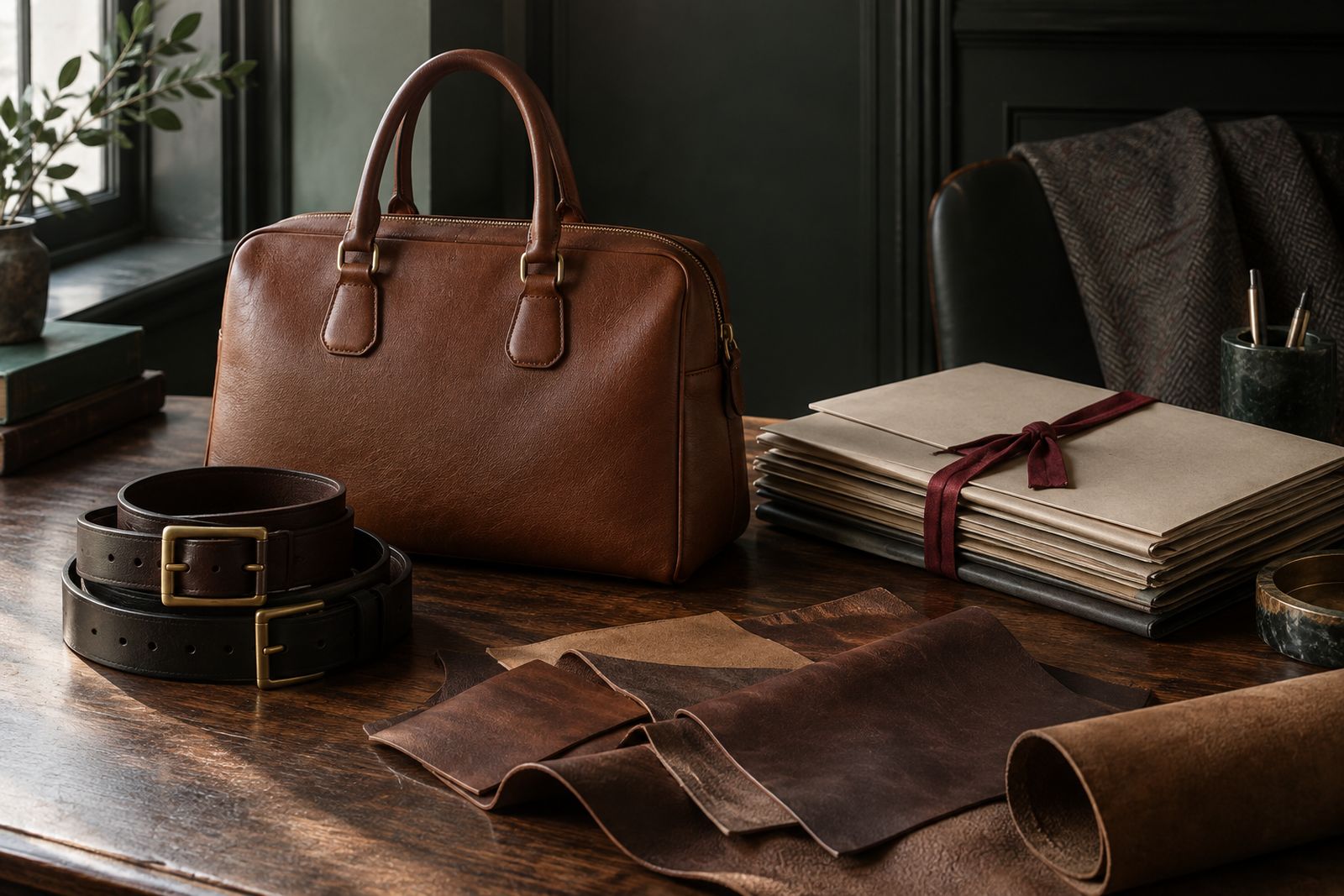
A Milan court has placed Giorgio Armani Operations, the Armani group subsidiary that designs and produces the label's clothing and accessories, under judicial administration for one year. The ruling, dated 3 April 2024 and made public on Friday 5 April, followed an investigation into workshops that made Armani bags and leather goods under subcontract.
The order came from the preventive measures section of the Milan court. It is tied to a criminal investigation led by prosecutors Paolo Storari and Luisa Baima Bollone with the Carabinieri labor inspectorate. According to the investigators, the company did not adequately verify the working conditions or the technical capacity of the firms it used, and in doing so made it easier for illegal gangmastering to take place.
What the investigators found
According to AFP's account of the ruling, Armani's contracted supplier, Manifatture Lombarde, had signed a contract that included an ethical code and an explicit ban on subcontracting, but it had no workshops of its own. The work passed instead to workshops in the Milan area that employed undocumented migrants, mostly Chinese and Pakistani nationals, in unsanitary premises that broke basic safety rules.
A later Reuters account of the same ruling said GA Operations had outsourced bag, belt and leather goods production to two companies, which in turn subcontracted to four Chinese-owned firms with workshops on the outskirts of Milan.

The Italian news agency ANSA reported that workers allegedly put in more than 14 hours a day at an exhausting pace, were paid about $2 to $3 an hour off the books, and lived in degrading accommodation. Investigators said the system cut production costs by avoiding taxes, insurance and social security contributions, health and safety rules, and the national collective contract that sets pay, hours, breaks and holidays in the sector.
A preventive measure, not a penalty
The court described the measure as preventive rather than punitive. GA Operations itself was not accused of wrongdoing. The court appointed a consultant to work alongside management on supplier relations, with the aim of removing any criminal infiltration from the supply chain as quickly as possible.
In a statement, the Armani group said it had always had control and prevention measures in place to limit abuses in its supply chain, and that GA Operations would cooperate with the authorities with complete transparency to clarify its position.
The Armani case follows a similar measure against the leather goods brand Alviero Martini, which a Milan court placed under judicial administration in January 2024. Together, the cases have drawn attention to the layers of small subcontractors behind some Italian luxury goods.
What it means for buyers
The products named in the case were bags, belts and other leather goods rather than tailored clothing. Even so, the ruling concerns the subsidiary responsible for producing the group's clothing as well as its accessories, and it shows how far production can drift from the brand on the label when work is passed down a chain of contractors.
For anyone paying luxury prices for a suit or jacket, the case is a reminder that a famous name does not by itself say where or by whom a garment was made. Houses that cut and sew in their own workshops, or that can name the workshops they use, are easier to hold to account.