The International Wool Textile Organisation (IWTO) held its 94th Congress in Lille, in France's Hauts-de-France region, from 20 to 22 May 2025. The meeting drew 286 participants from more than 170 companies in 28 countries, covering the whole wool supply chain from growers and traders to spinners, weavers and brands. Its theme was "Weaving a Perfect Fit Between Past & Present."
IWTO president Klaus Steger opened the congress and gave the closing remarks, and vice president Olivier Segard welcomed delegates. The program covered sustainable wool growing, traceability, new applications for wool, consumer trends, economic forces and the geopolitical background, along with a session on wool for health and wellness.
Environmental labels and traceability
One of the main presentations came from Vincent Colomb of ADEME, the French environment agency, who explained France's environmental cost labeling system for clothing. According to the IWTO report published by Wool News, the European Commission had recently validated the French system, which builds on the EU's Product Environmental Footprint framework and adds factors such as microplastic release, durability and end-of-life impacts.
IWTO secretary general Dalena White set out the industry's priorities in her summary of the congress.
“we need traceability, measurements to reduce our carbon footprint, exemplary animal welfare standards”
Dalena White, IWTO secretary general, as reported by Wool News
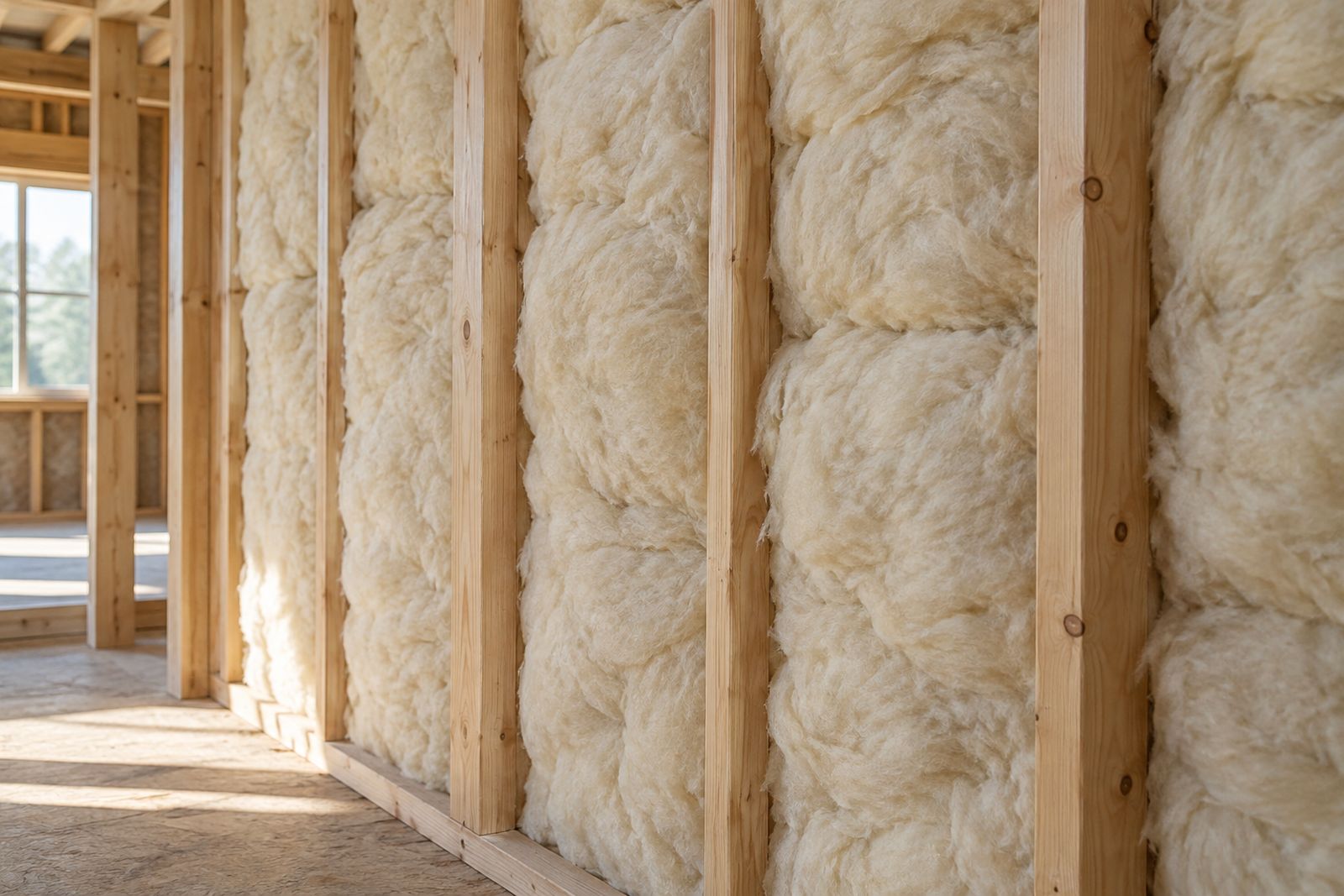
The congress also looked at uses for wool beyond clothing, including building materials, cruise liner interiors and garden products. Dr Sonia Reynolds of Zephlinear introduced noninterlaced textiles made with its FOYSE technology, and a member of IWTO's Young Professionals Programme presented HairSense, an artificial intelligence application for identifying fibers. IWTO said it was the first time AI had been presented at one of its congresses.
Background
IWTO, founded in 1930, describes itself as the global authority for wool textile industry standards, and its annual congress brings together the different stages of the supply chain. The previous congress, the 93rd, was held in Adelaide, Australia, in April 2024 under the theme "An Industry Interwoven," hosted by Wool Industries Australia with IWTO.
No change of leadership was reported at the Lille meeting. IWTO announced that the 95th Congress would be held in Dalang, China, in 2026, with dates to be confirmed.
Why it matters for tailoring
IWTO sets many of the test methods and standards behind the descriptions on suit fabric, including the fiber measurements that underpin Super numbers. Its focus on traceability and footprint labels points to where the information on a garment label may go next. France's system adds durability to the calculation, a factor that matters for clothing designed to be worn for many years, such as tailoring.
Klaus Steger said the discussions in Lille would shape wool's path forward. For buyers, the practical takeaway is that questions about where a suit's wool came from, and how the animals were treated, are becoming standard parts of the conversation between mills, brands and regulators. Our guide to Super numbers explains the fiber measurements behind fabric labels.