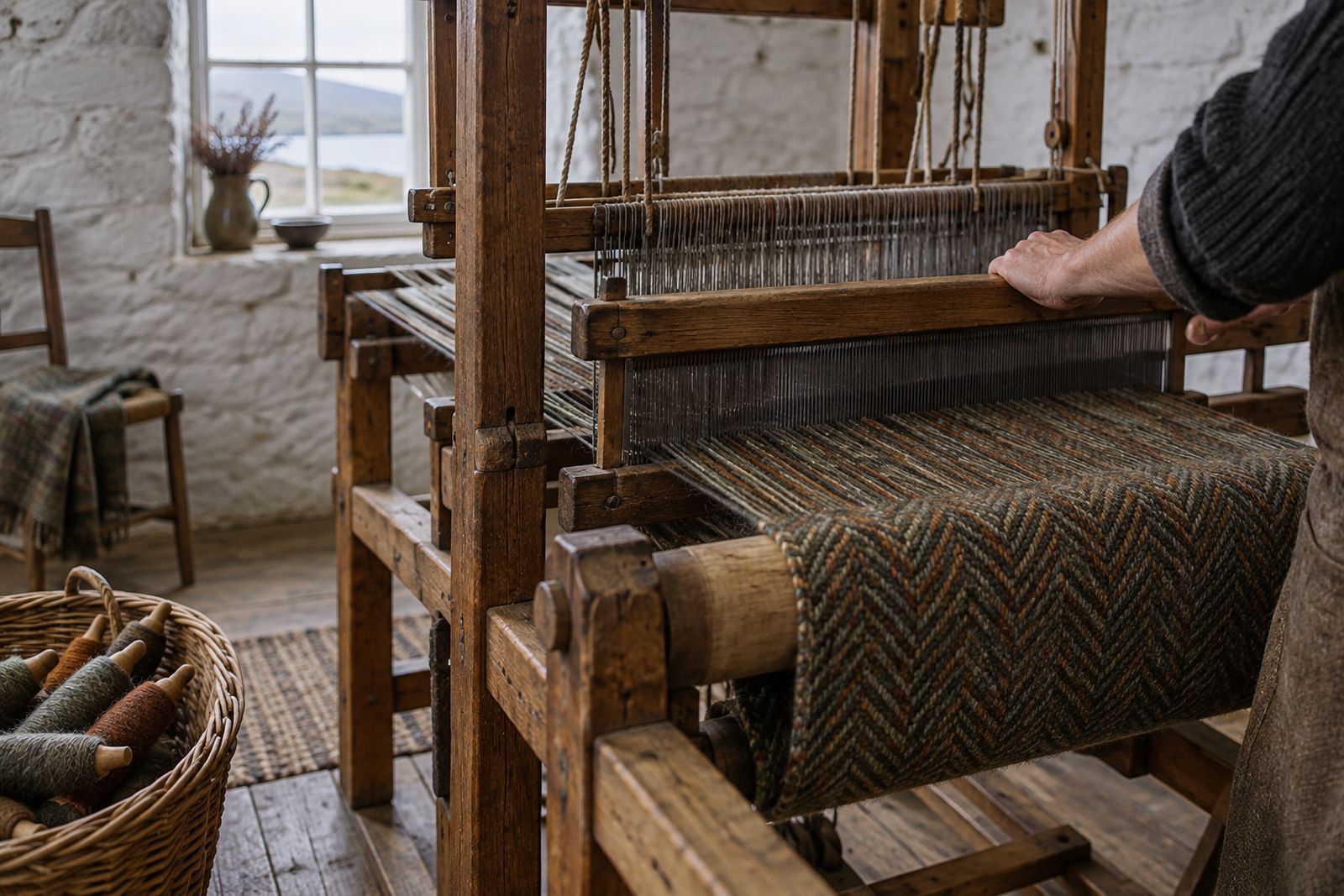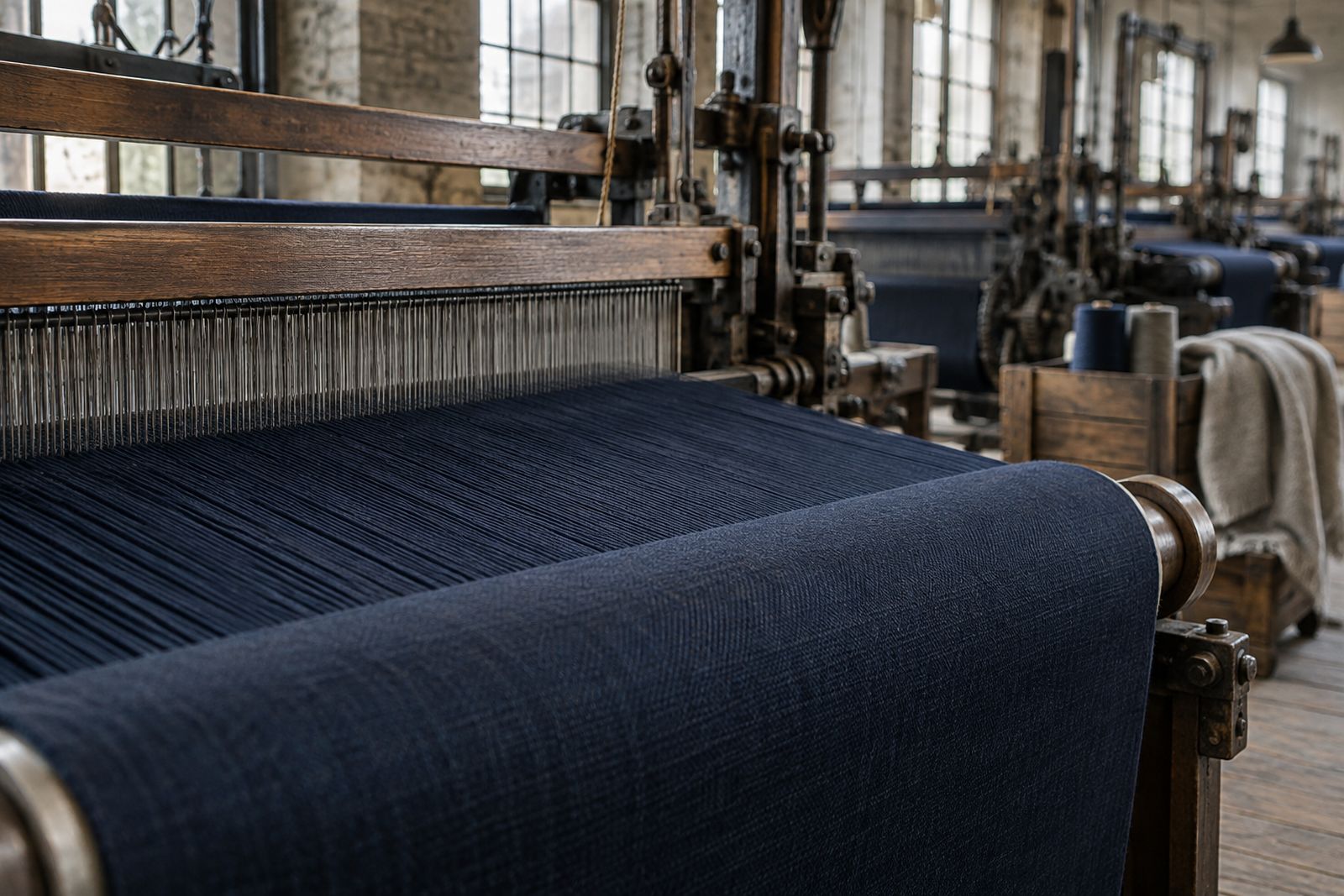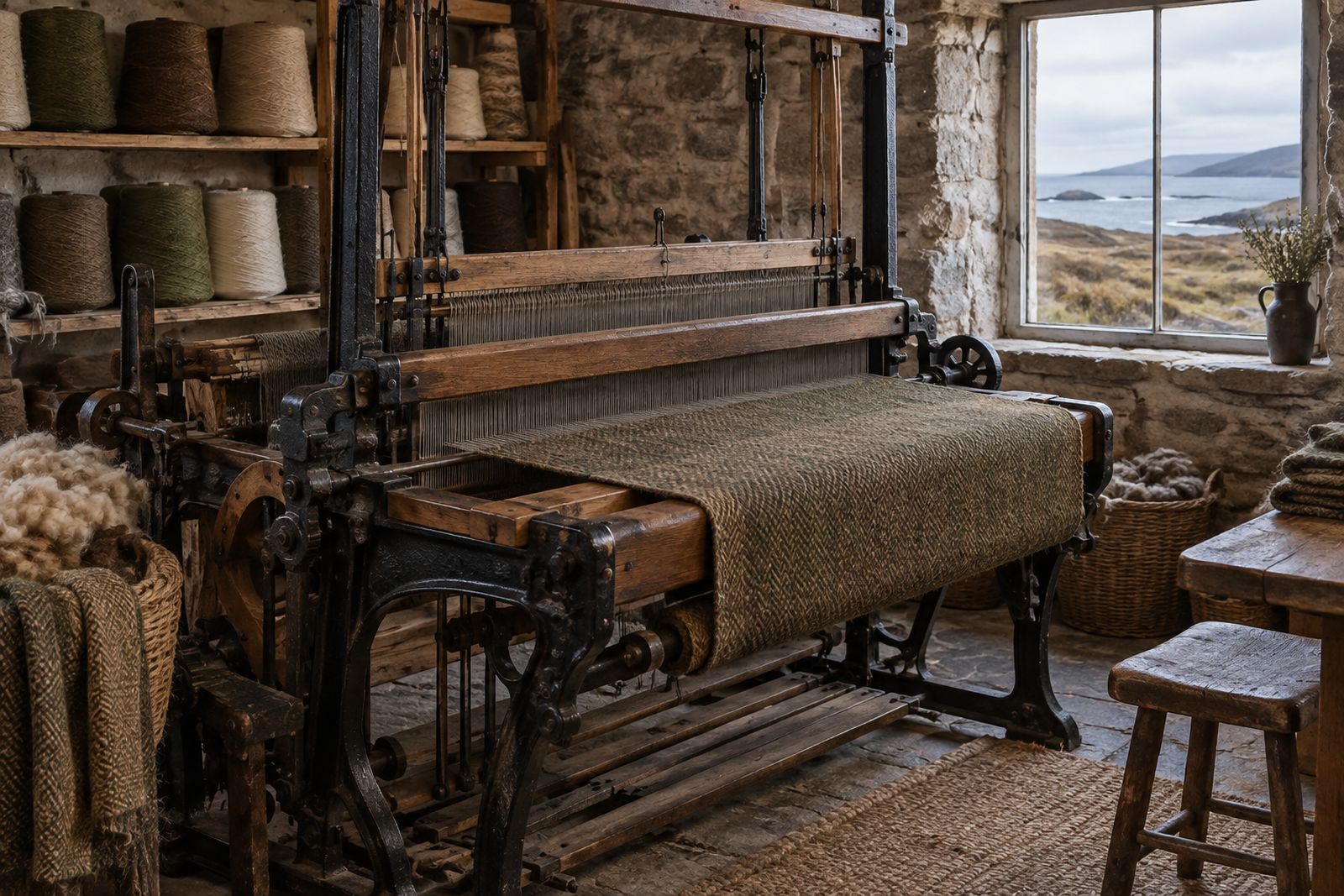
The Harris Tweed industry produced more than 580,000 meters of fabric in 2024, according to the Harris Tweed Authority (HTA), and a recruitment drive is bringing a new generation of weavers to the looms of the Outer Hebrides. Agence France-Presse reported on 28 May 2025 that the islands now count 140 weavers, after the authority launched a recruitment campaign in 2023 and ran training workshops to replace a wave of retirements.
Among the newcomers is Alexander MacLeod, 38, a former banker from Scalpay, an island linked to Harris by a bridge, who took up weaving two years earlier. He works from a converted barn and keeps a day job at a small local cosmetics company. At Carloway Mill on the Isle of Lewis, one of three spinning mills in the west of the island, Cameron MacArthur, 29, who has worked there for 12 years, told AFP the mill was far busier than it used to be.
“It's nice to see younger people coming in,”
Kelly MacDonald, director of operations at the Harris Tweed Authority, speaking to AFP
A fabric protected by law
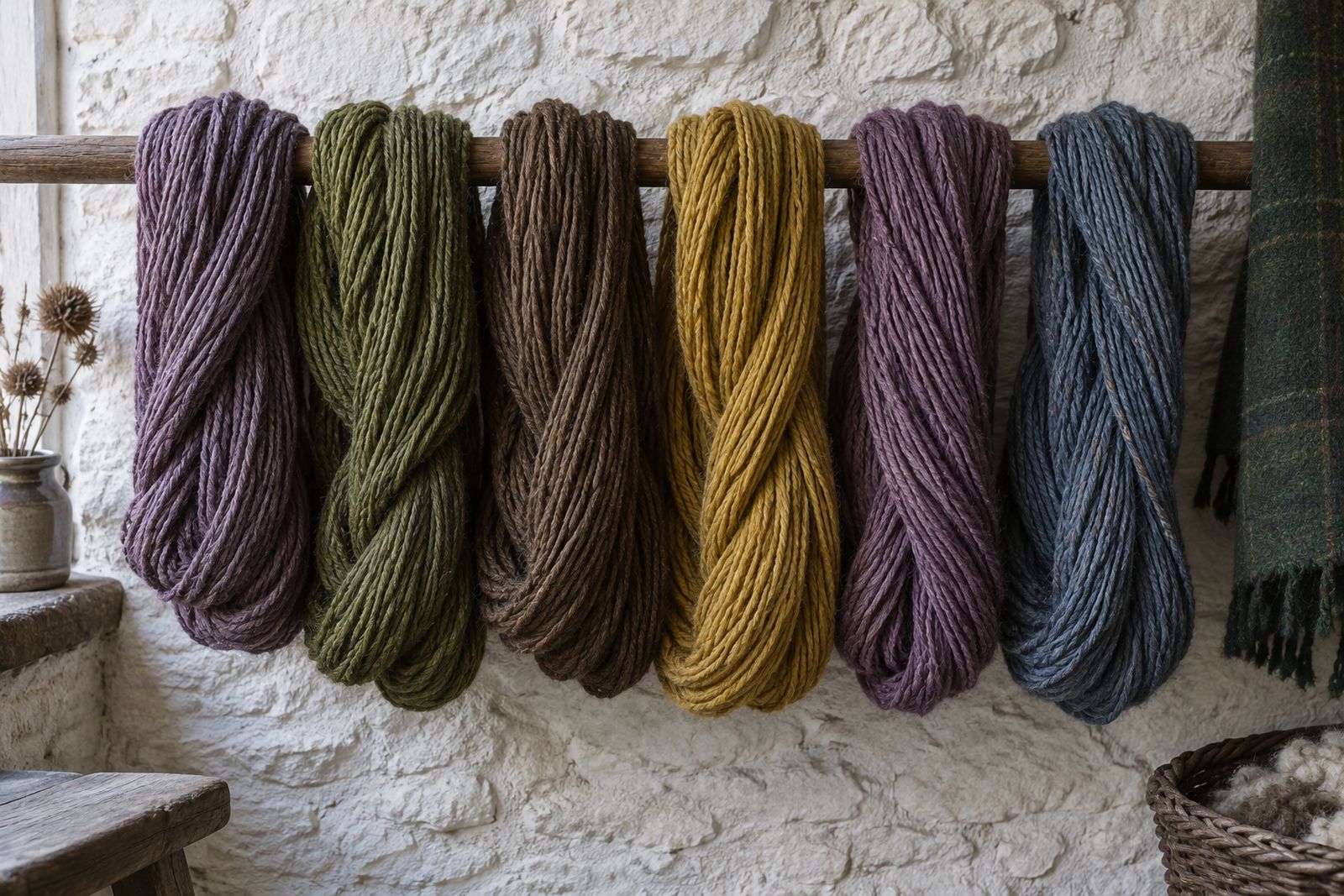
Harris Tweed is the only fabric protected by its own Act of Parliament, passed in 1993. To carry the name, it must be handwoven by islanders at their homes in the Outer Hebrides, from pure virgin wool that has been dyed and spun in the islands. Finished lengths are inspected at the mill and stamped with the HTA's orb mark, a globe topped with a cross, which certifies their origin.
MacDonald, who joined the industry 22 years ago, told AFP that she had arrived during a severe period of decline. The tweed now reaches luxury houses including Christian Dior, Chanel and Gucci, and sneaker brands such as Nike, New Balance and Converse have used it for limited-edition shoes. Its most common uses are jackets, caps and bags, along with upholstery.
Markets and tariffs
Exports go to South Korea, Japan, Germany, France and other countries. According to AFP, the industry is no longer dependent on the United States, which should largely shield it from the tariffs imposed by President Donald Trump in 2025. Weavers also have more freedom over design than in the past: MacArthur said the mill is now allowed to create its own colors.
The figures come with a caveat. In May 2026, the Harris Tweed mill Kenneth Mackenzie said through the trade body UKFT that total industry output had fallen in 2024/25, even as its own sales grew, so the picture across the islands is mixed.
What it means for tailoring
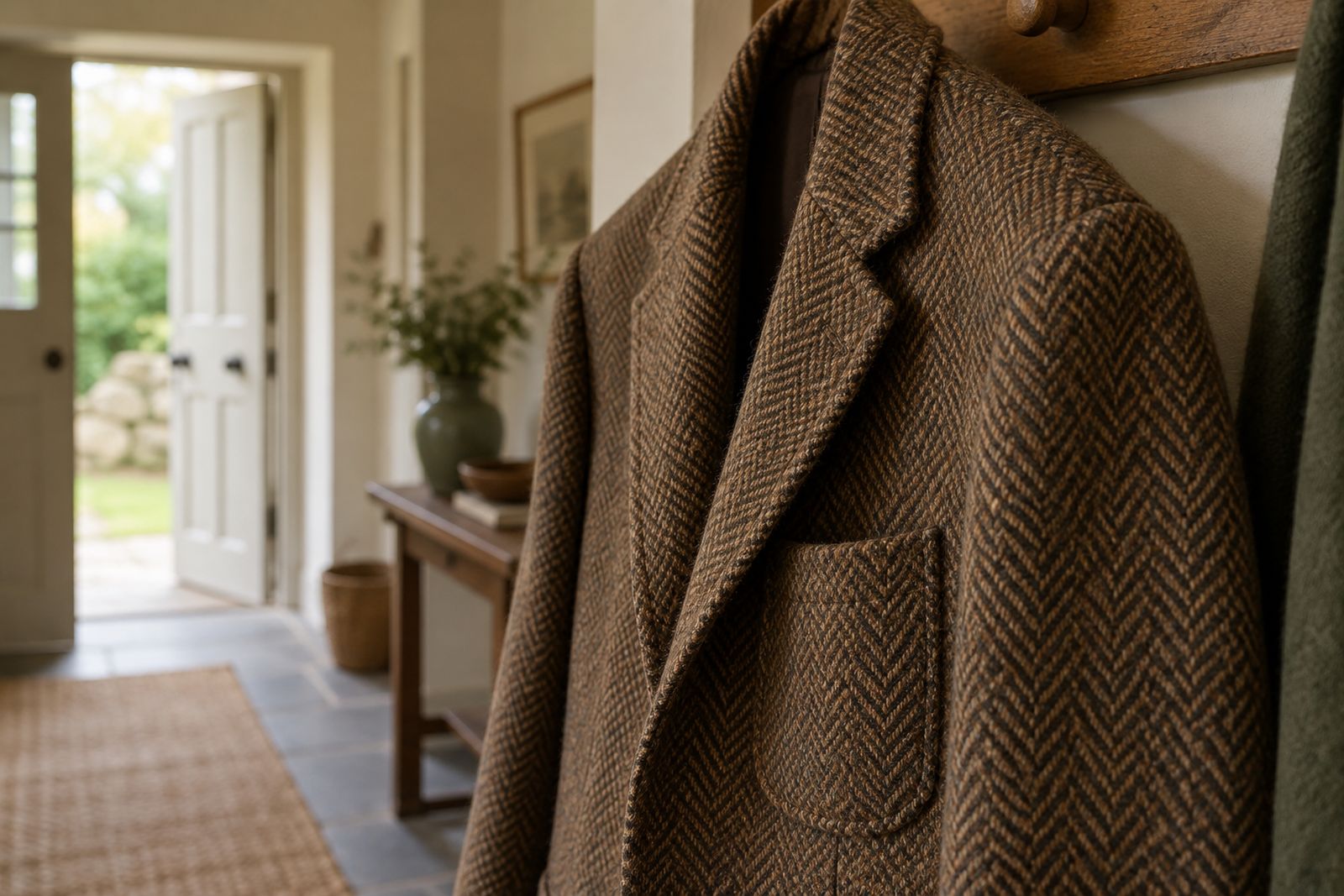
For people who have a sport coat or overcoat made, Harris Tweed remains one of the few fabrics whose origin is guaranteed by statute rather than by a brand's own claims. The orb label on the finished garment is the thing to check. A larger and younger pool of weavers matters because every length is woven by hand at home, so the number of active looms limits how much fabric the islands can supply.
Readers choosing between tweeds and smoother worsteds can compare them in our guides to worsted versus woolen wool and overcoat styles.