Australian wool prices kept climbing in early 2026. At the auctions held on 3 and 4 March 2026, the Eastern Market Indicator (EMI), the benchmark for the Australian market, rose 51 cents, leaving it 542 cents, or 44.2%, higher than a year earlier, according to Australian Wool Innovation (AWI). The Western Market Indicator rose 77 cents in the same week.
AWI linked the week's gains to a smaller offering of 37,212 bales and a softer Australian dollar. The finest wools did best: finer Merino types rose 90 to 95 cents across the selling centers, with Fremantle up 115 to 120 cents, while medium Merino gained 80 to 85 cents and crossbred wools eased by 5 to 10 cents. Premiums were strongest for high-strength, well-styled Merino fleece.
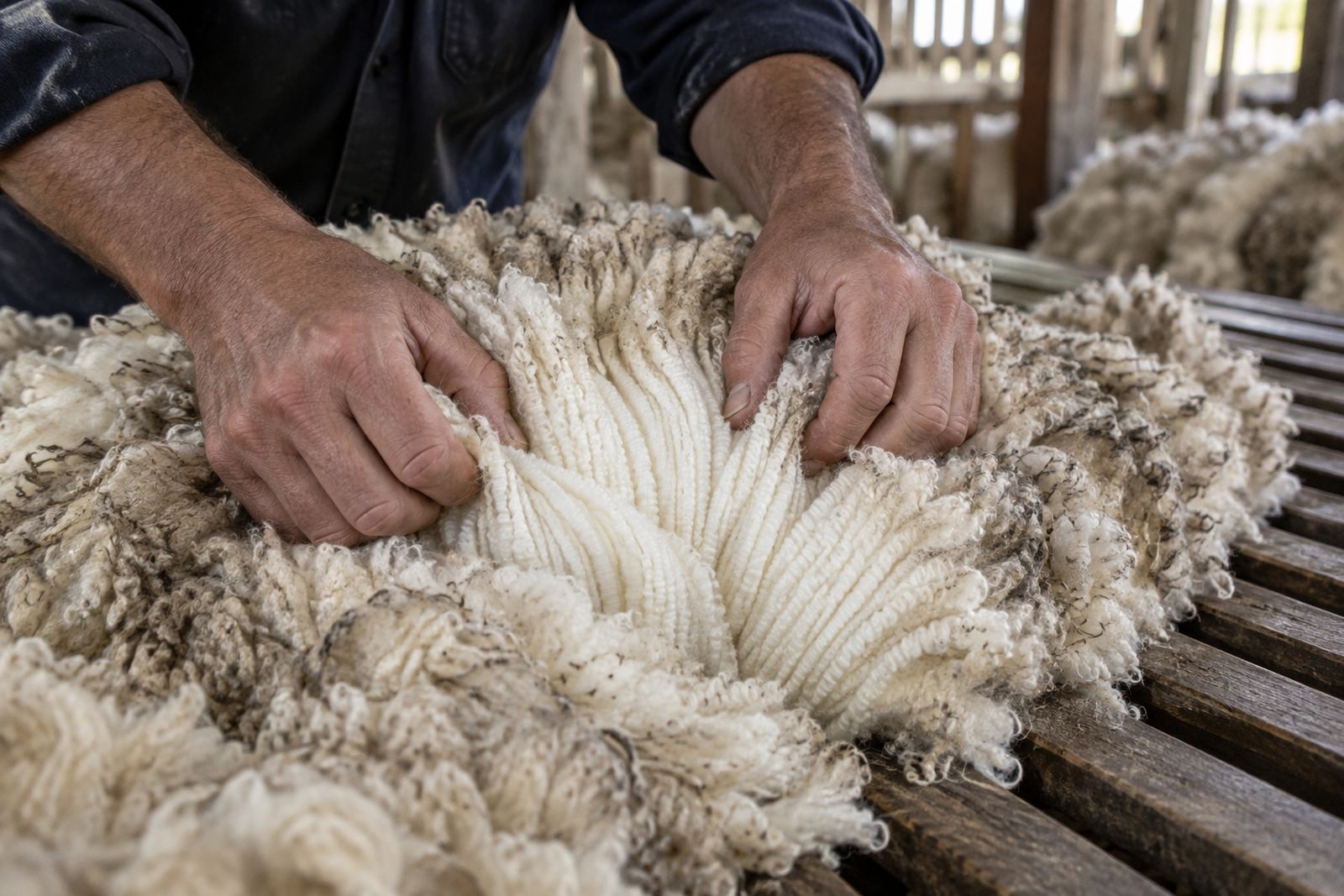
A smaller clip
Supply is the main reason prices have held. Figures from the Australian Wool Testing Authority, quoted by AWI, showed that the weight of wool tested in February 2026 was 5.29% lower than in February 2025. For the season from July 2025 to February 2026, the cumulative tested weight was 181.7 million kilograms, against 200.6 million kilograms a year earlier, a fall of 9.4%.
The trend was visible in late 2025. AWI's report for the sales of 18 and 19 November 2025 put the EMI at 1,514 cents, 377 cents or 33.7% higher than a year earlier, with offerings down 5.9% on the year. In December the Irish Farmers Journal reported that rising lamb prices were pushing Australian farmers toward meat breeds, and that some commentators expected Australian wool supply to fall to its lowest level in more than 100 years within a year. It also cited renewed Chinese buying as a driver, with China's wool imports 13% to 15% higher in September and October 2025.
British and New Zealand wool
The rise has been less dramatic for the coarser wools grown in Britain. British Wool's final auction of 2025, held on 2 December, averaged $1.60 per kilogram for greasy wool, up 2%, and all 1,071 tonnes offered were sold, the Irish Farmers Journal reported. Only about half of the available clip had traded by then, and throughput was down about 4% on the year, continuing a decade of falling volumes. Handling and processing costs of about 60p per kilogram were deducted from returns on the 2024 clip, when the greasy average was $1 per kilogram.
“we encourage any members who still have wool on farm to send it in.”
Andrew Hogley, chief executive of British Wool, as quoted by the Irish Farmers Journal
In New Zealand, average wool prices were about 35% higher than a year earlier, at more than NZ$15.5 per kilogram, according to the same report.
What it means for suit buyers
The fine Merino that is rising fastest is the wool used for worsted suiting. Weavers have been open about the pressure. Alessandro Barberis Canonico, chief executive of Vitale Barberis Canonico, told WWD in January 2026 that rising raw material prices could hit the second half of 2026, and told MF Fashion in July 2026 that he expected raw material costs and inflation to keep rising.
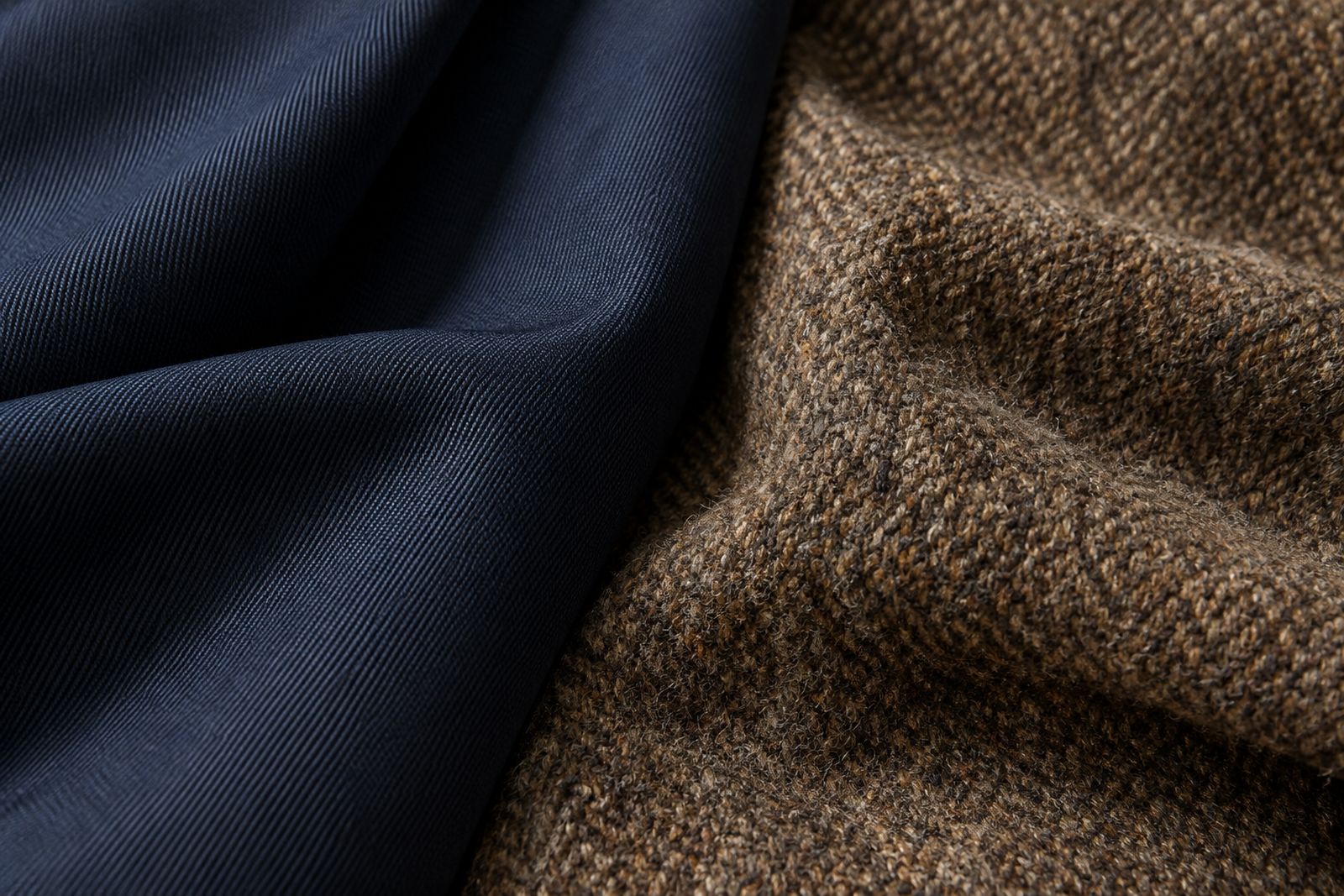
The British figures matter to a different part of the wardrobe. Coarser British wools go mainly into carpets, knitwear and tweeds rather than fine worsted suiting, and their prices have moved far less: British Wool's December average was up 2%, while the Australian benchmark was 44% higher year on year by March. Our guide to suit fabrics explains how the main wool types differ.