Savile Row's tailoring houses are seeing a rise in people applying to train with them, AFP reported on 22 September 2025, at the end of London Fashion Week. Simon Cundey, managing director and owner of Henry Poole & Co, said applications had surged over the previous year and a half. Henry Poole had three apprentices at the time, with two more about to start.
At Dege & Skinner, managing director William Skinner told AFP the house had four apprentices and a fifth starting in September, the most it had ever trained at one time. All of them are women.
How the apprenticeships work
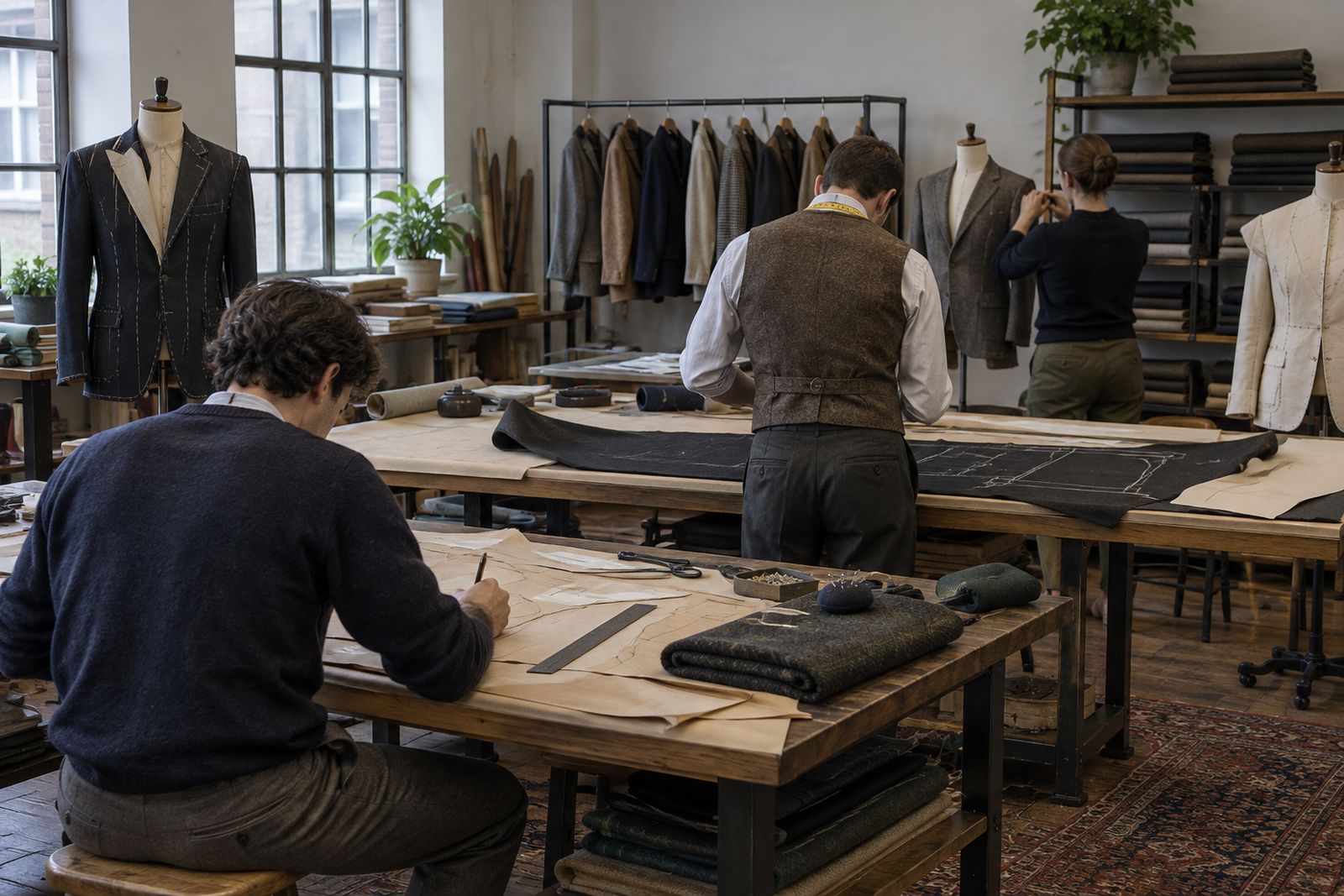
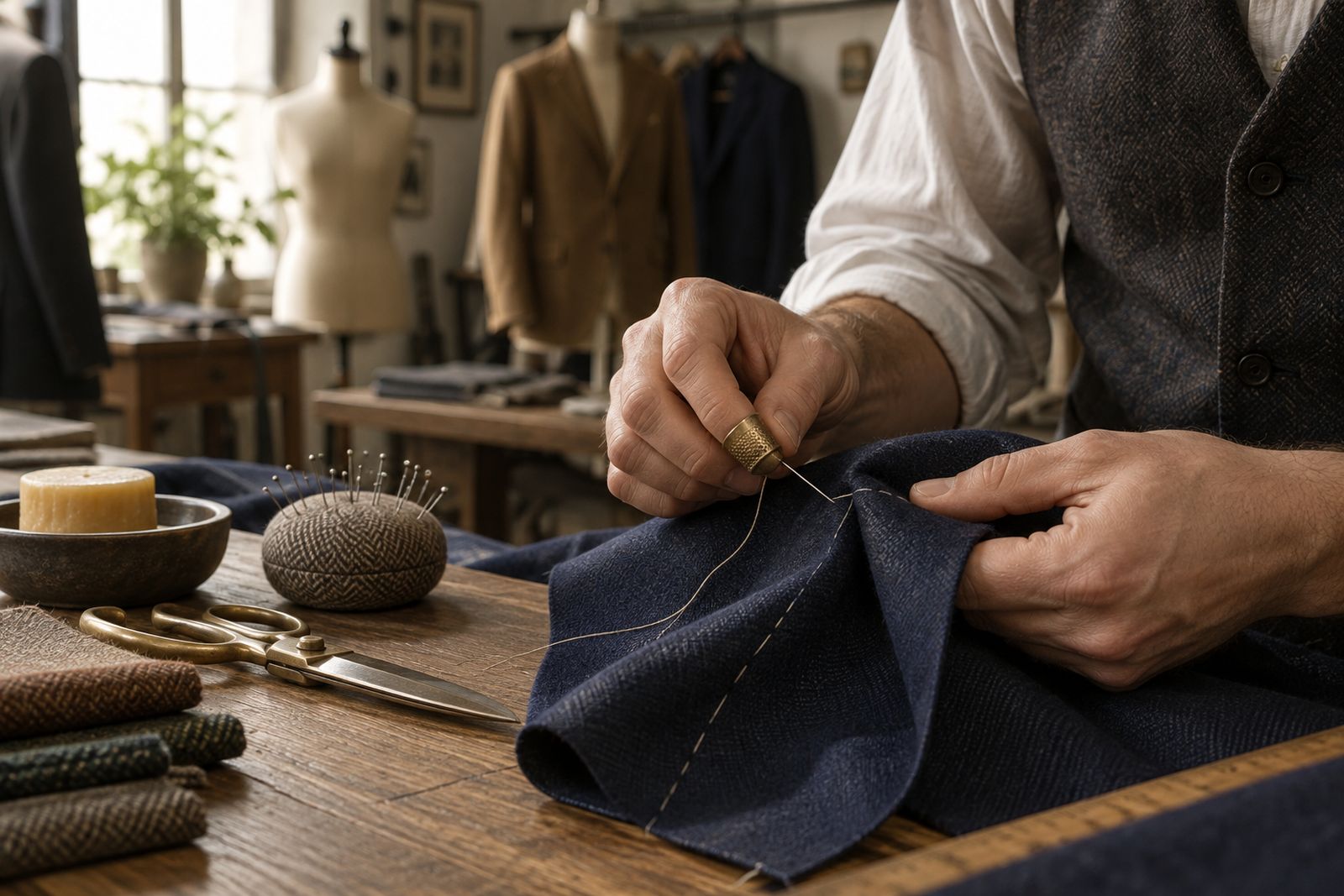
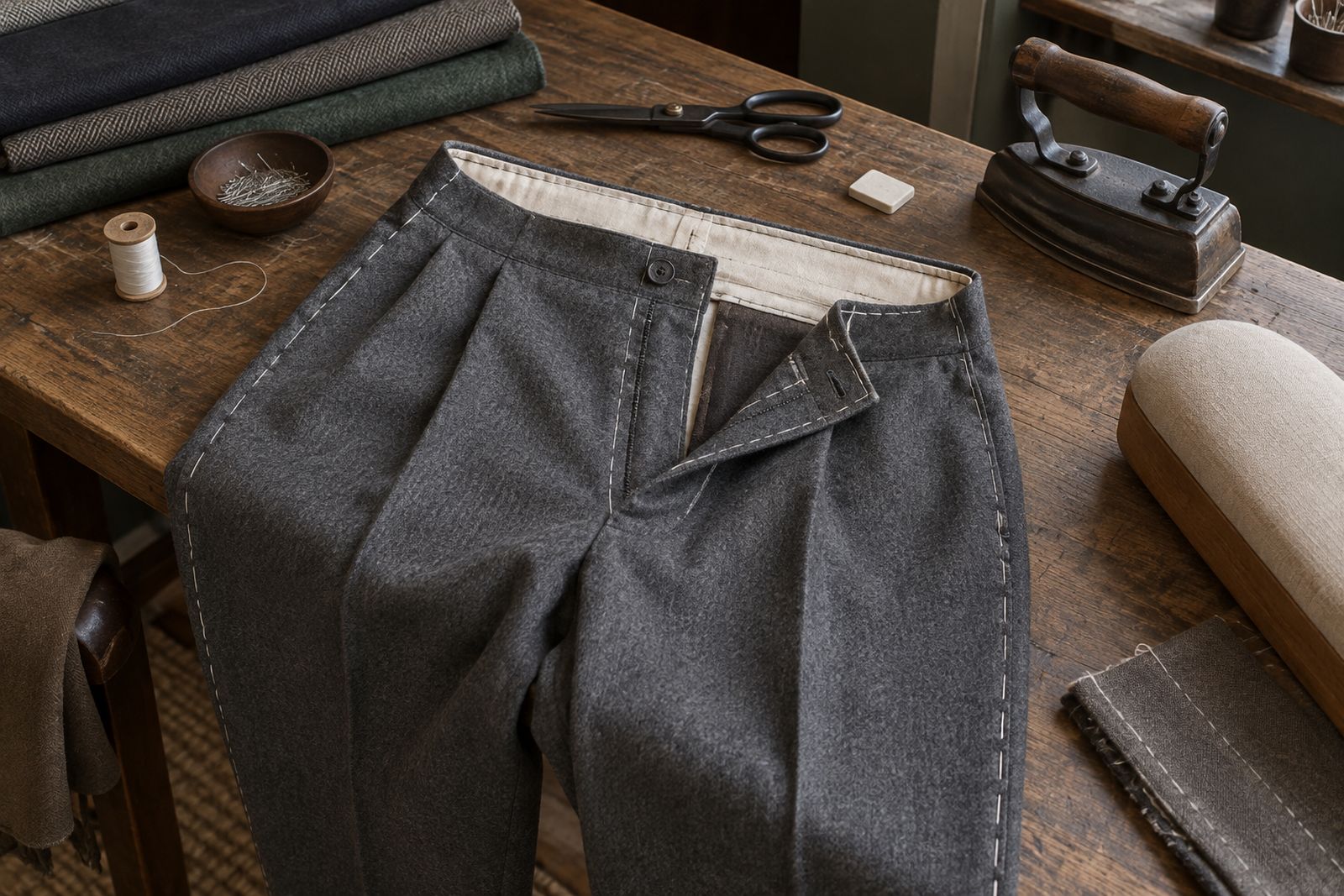
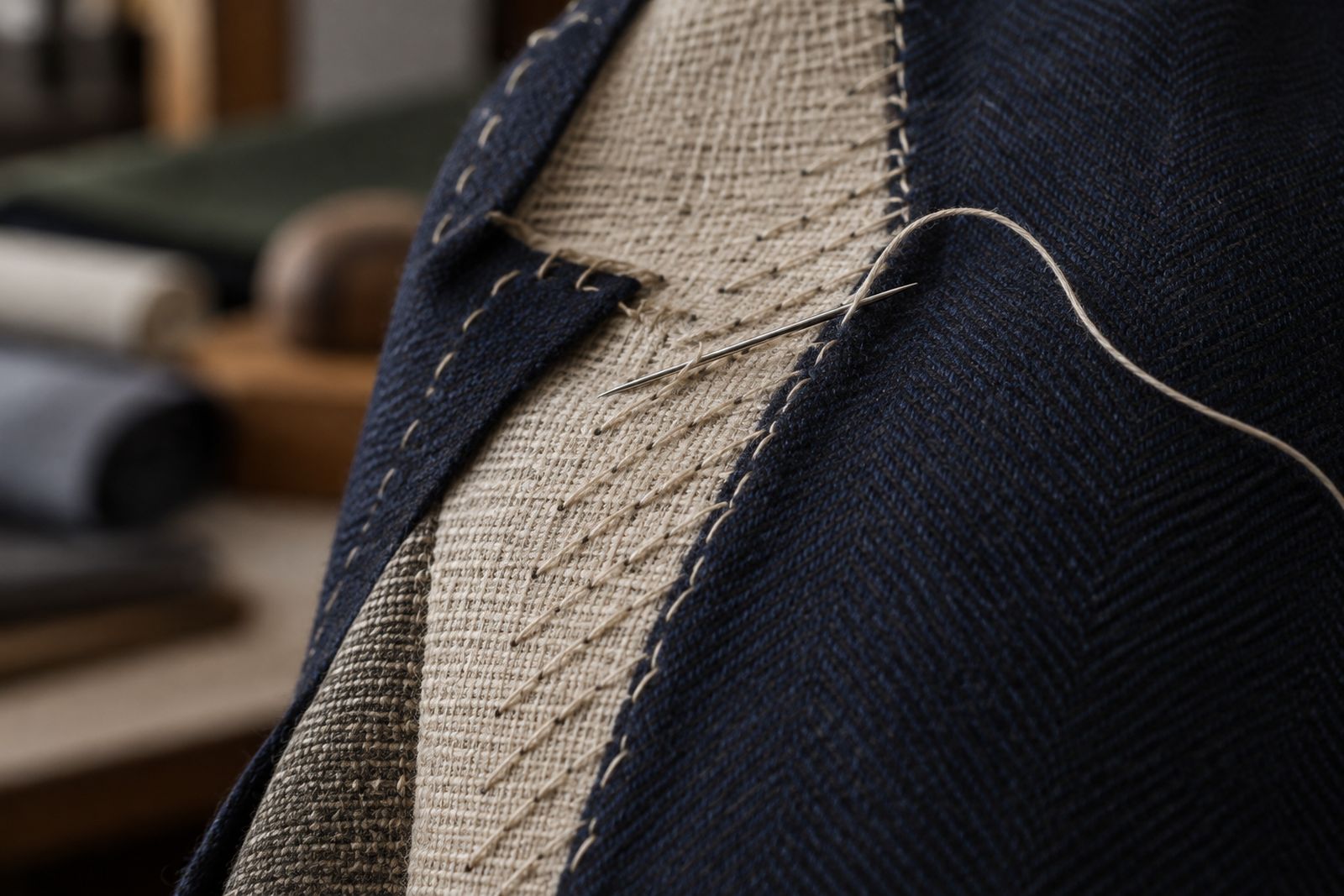
The Savile Row Bespoke Association (SRBA) launched its apprenticeship scheme in 2007, and more than 100 people have graduated from it. Apprenticeships last between two and six years, and each trainee specializes in coats and jackets, trousers or cutting. Their work is assessed by a panel of master tailors at the end of training.
Jinny Seals, a 45-year-old coat-maker who joined Henry Poole in 2002 or 2003, told AFP that the average age in the workshop was then about 55 and that she was one of three women there. She described a drought of apprentices at that time, and said the picture had changed quickly. Wendy Berberi, 22, joined Henry Poole at 16 during the pandemic and completed her apprenticeship in 2025.
“Things have changed a lot in a relatively short period of time.”
Jinny Seals, coat-maker at Henry Poole & Co, to AFP
Seals and others linked the rise in interest to a rejection of fast fashion and its waste, a move toward slower ways of buying clothes, and a wish for hands-on work that grew after the Covid-19 pandemic.
This year's graduates
Berberi was one of four apprentices awarded the Savile Row Bespoke diploma on 11 July 2025 at Merchant Taylors' Hall, at the summer party of the Bespoke Tailors' Benevolent Association, attended by about 200 people from the trade. The diplomas went to Gerson Henao Hoyos, coat-maker at Henry Poole, trained by Maria Gomes; Wendy Berberi, coat-maker at Henry Poole, trained by Aidan Traynor; Oliver Newton, coat-maker at Norton & Sons, trained by Georgie Shand; and Mateusz Gutowski, trouser-maker at Huntsman, trained by Marija Mikstaite.
SRBA chairman Mark Henderson noted at the ceremony that this group's training had been severely affected by the lockdowns of 2020 and 2021. The judging panel included Philip Parker of Henry Poole, who helped establish the apprenticeship program, and Victoria Townsend, founder of the London Academy of Bespoke, which began a pre-apprenticeship course for the street in January 2025.
What it means for buyers
Bespoke tailoring depends on skilled hands that take years to train, and for some time houses worried about who would replace retiring makers. More applicants and larger apprentice groups suggest the supply of coat-makers, trouser-makers and cutters is recovering, though the AFP report gives no figures for the street as a whole. Our guide to how long a bespoke suit takes explains how that skilled labor shapes waiting times.