Australia's wool auctions extended a historic rally on 30 September and 1 October 2025, when the Eastern Market Indicator (EMI), the industry's benchmark price, rose 112 cents across the two selling days. It was the 11th consecutive weekly rise, which the wool broker Elders described as the longest winning run since 1987. Over those 11 weeks the EMI gained 358 cents, the largest unbroken cumulative increase since 1979.
The week's gain followed a 109-cent rise the week before. Both Elders and Australian Wool Innovation (AWI) said it was the fifth-largest weekly rise since AWEX, the Australian Wool Exchange, began reporting. AWI calculated that the EMI had gained about 30% since the start of July, with roughly 19% of that coming in the last two weeks alone.
Fierce bidding for fine Merino
AWI's market report called it a staggering result and said bidding was as fierce as any seen for decades. All Merino types rose by about 120 to 200 Australian cents for the week, while crossbred wools gained about 60 to 70 cents and carding wools only 5 to 10 cents.
Local trading exporters dominated the buying, according to AWI, with the two largest taking more than 40% of the Merino fleece on offer. First-stage manufacturers were active but were outbid by traders locking in supply for their clients. AWI said exporters had written sales close to market levels before the auctions, a sign of demand that had not yet been met.
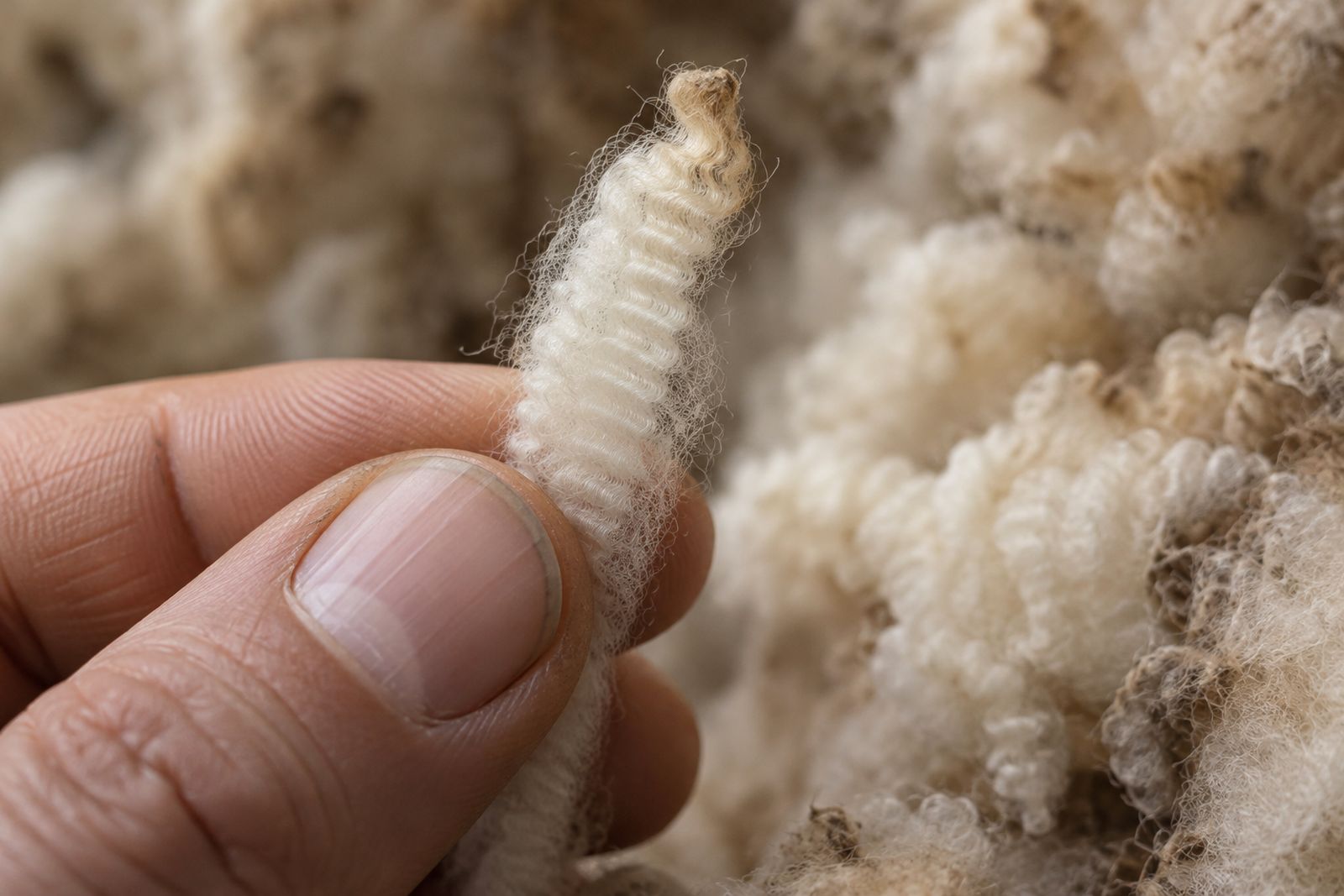
Elders reported that finer microns drew the strongest competition, with buyers narrowing discounts to secure volume. Ultra-fine lots finer than 14.5 micron sold for roughly 3,000 to more than 8,000 cents per kilogram clean. Premiums held for non-mulesed wool and for wool certified under integrity schemes such as AUTH, the Responsible Wool Standard and SustainaWOOL.
Context: a slow recovery, then a sprint
The rally followed a long period of weak prices. In early February 2025 Sheep Central reported that the EMI had climbed to 1,215 cents, its highest level since 10 January 2024. The Irish Farmers Journal later reported that early-year optimism faded when US tariffs dampened Chinese demand, and that the recovery took months. By September and October 2025 China's wool imports were running 13% to 15% higher, and the same report pointed to farmers in Australia switching to meat breeds as lamb prices rose, which is shrinking the wool clip.
The run ended the following week. Elders reported on 10 October 2025 that the EMI fell 48 cents to close at 1,517 cents, still around 33% higher than in the same week a year earlier. Pass-in rates, the share of wool withdrawn by sellers when bids fall short, rose to about 20% nationally.
What it means for suit fabric
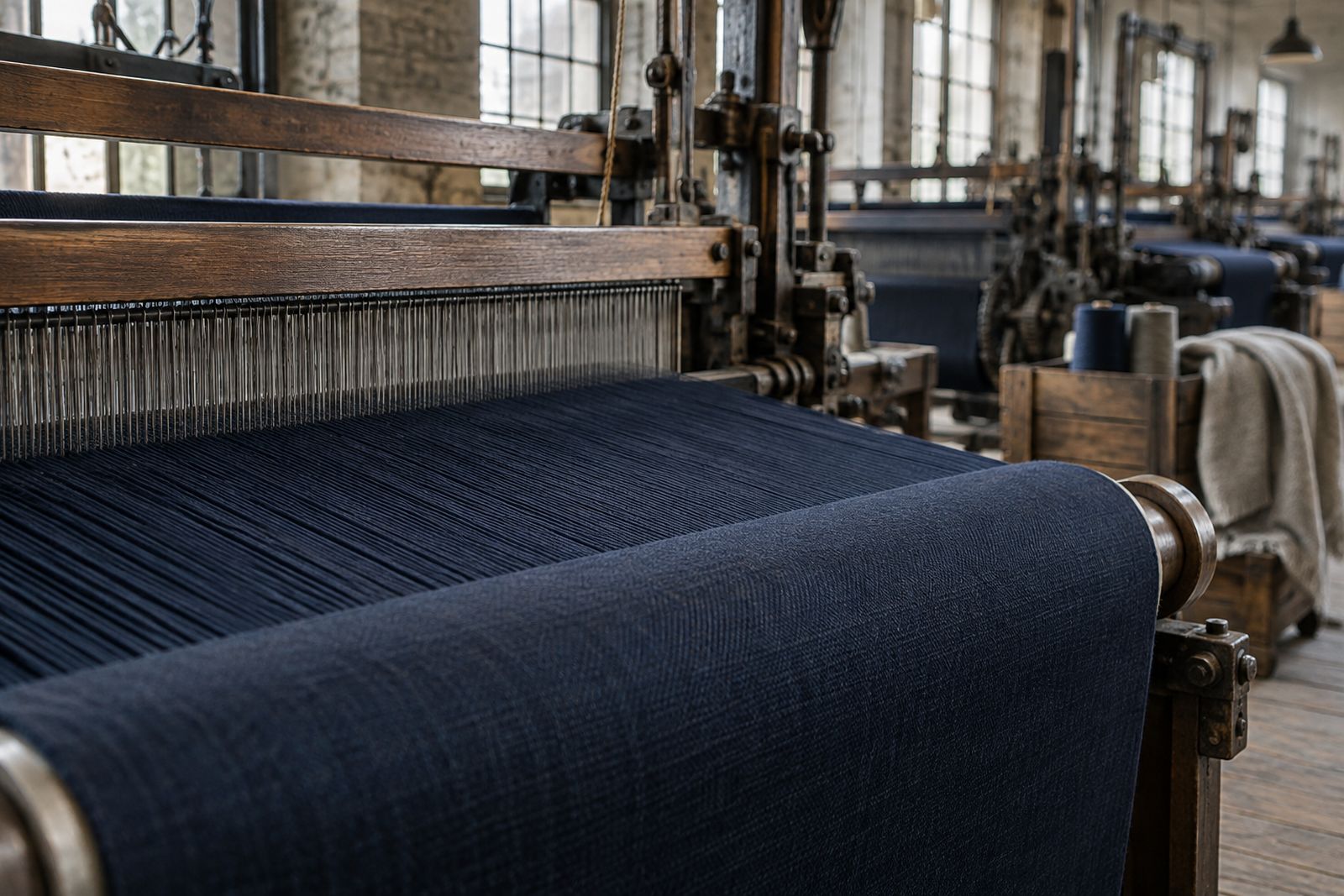
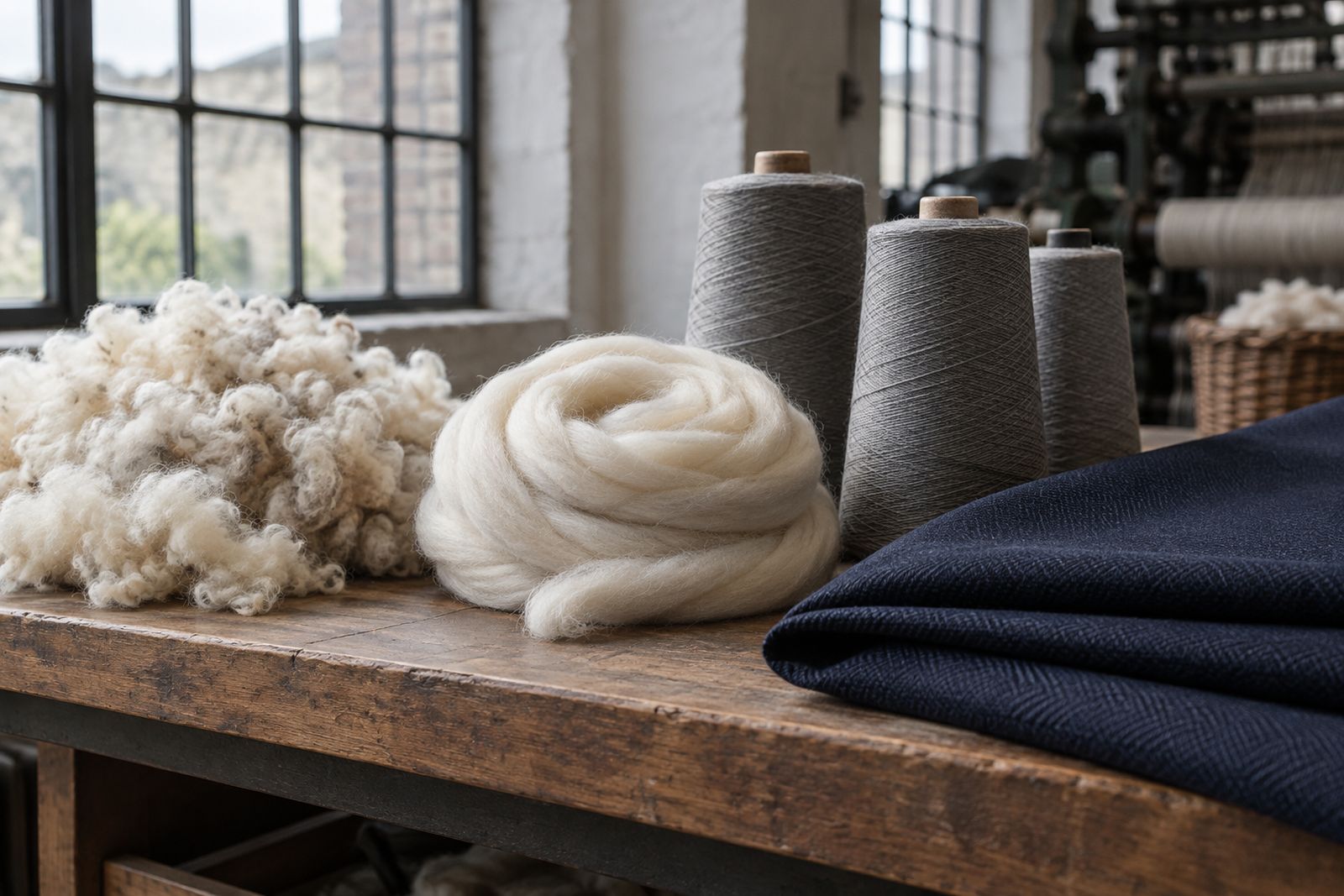
Fine Merino of 17 to 19 micron, and finer, is the raw material for the worsted fabrics that most suits are made from. Higher prices at the Australian auctions take time to reach the shop floor, because wool has to be scoured, combed, spun and woven before a mill can sell a length of fabric to a tailor.
The Italian mills have flagged the risk. In January 2026, Alessandro Barberis Canonico, chief executive of Vitale Barberis Canonico, told WWD that rising raw material prices could hit the second half of 2026. For anyone ordering a suit, that suggests any increase is more likely to show up in new seasons' fabric prices than overnight. Our guide to Super numbers explains how fiber fineness relates to the labels on suit fabric.