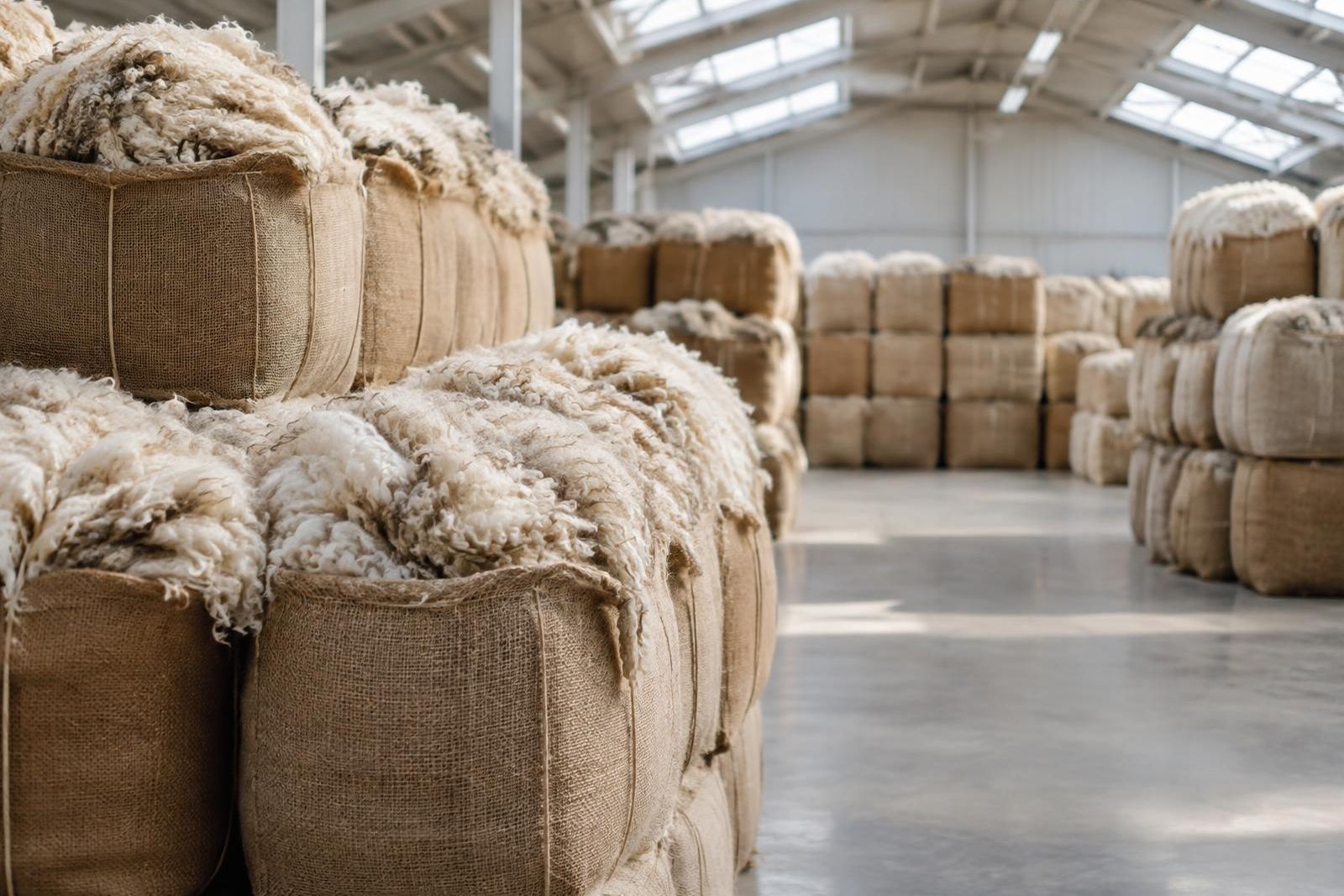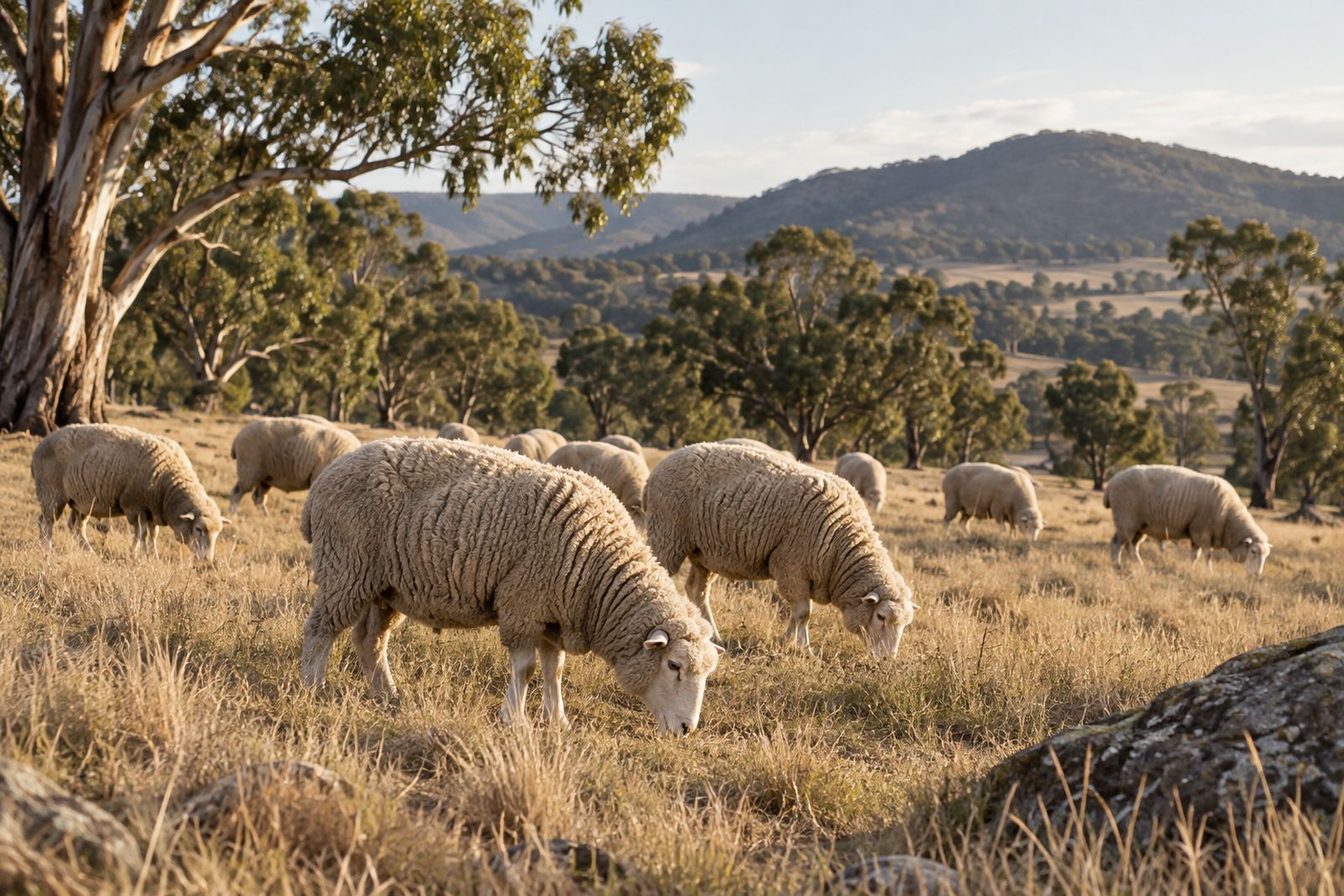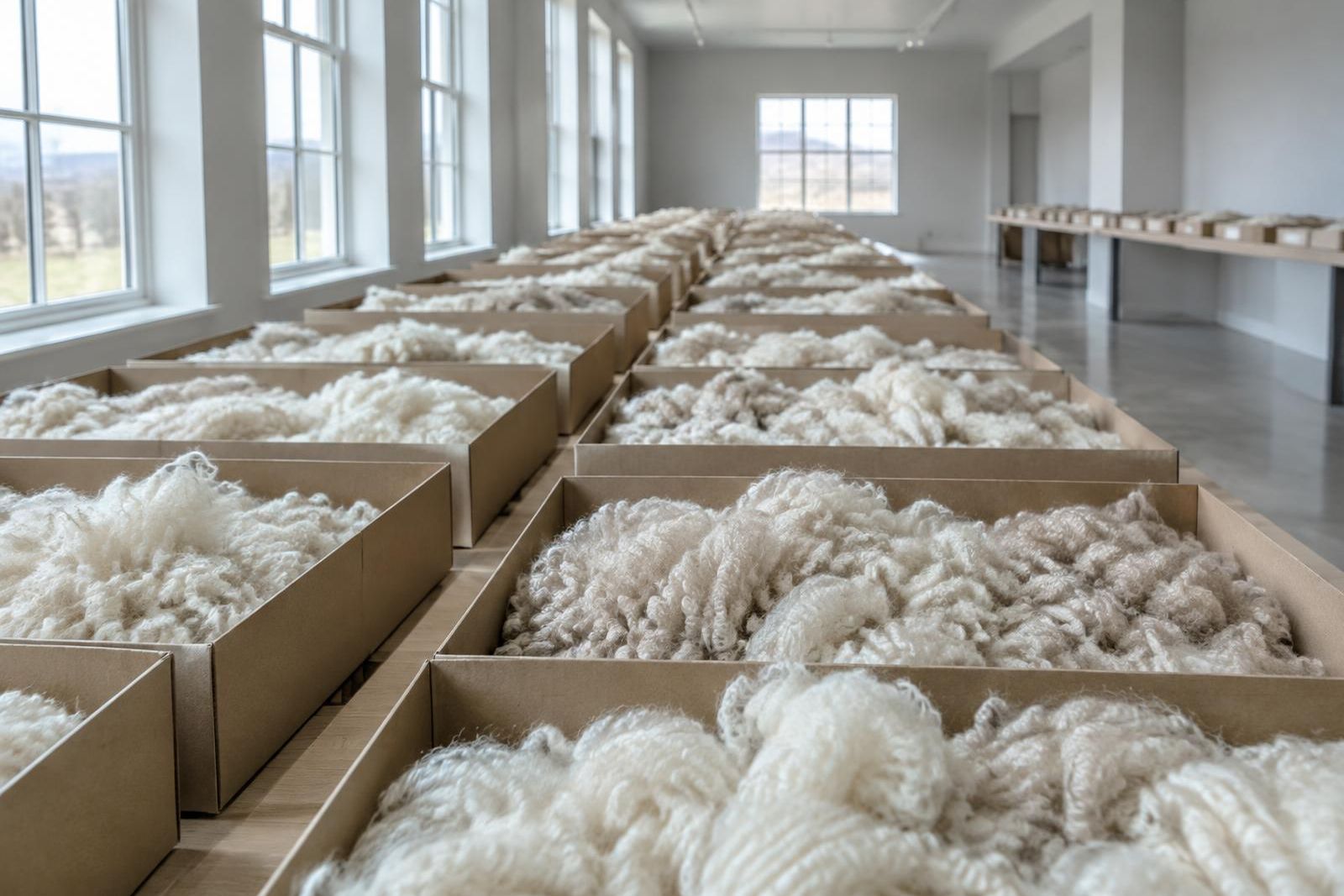
Australian wool prices recorded their sharpest weekly fall of the 2026-27 selling season at auctions held on 27 and 28 October. The Eastern Market Indicator (EMI), the benchmark compiled by the Australian Wool Exchange (AWEX), fell 3.5%. In US dollar terms it dropped 40 cents to $12.12 a kilogram. Growers responded by refusing to sell: 27% of the bales offered nationally were passed in, the highest rate since May 2023.
This is a follow-up to our report on Week 17, when prices eased and growers began pulling bales from sale. In Week 18 the fall gathered pace, and the clearest sign of resistance came from Western Australia.
What happened at the Week 18 sales
The national offering rose by 2,042 bales to 27,934, and 20,395 of them sold. Most of the week's decline came on the Tuesday, when the EMI lost more than two-thirds of its weekly fall in a single day. All three selling centers ended lower, with Fremantle hit hardest.
| Center | Weekly change | Detail |
|---|---|---|
| Sydney (North) | Down | 4,135 bales offered, 12.9% passed in |
| Melbourne (South) | Down | Largest fall of the two eastern centers |
| Fremantle (West) | Down about 4.6% | 4,555 bales offered, 2,219 sold, 51.3% passed in |
| National (EMI) | Down 3.5% | 27,934 bales offered, 20,395 sold |
Figures from AWEX data as reported by Fibre2Fashion, Farm Weekly and Moses & Son.
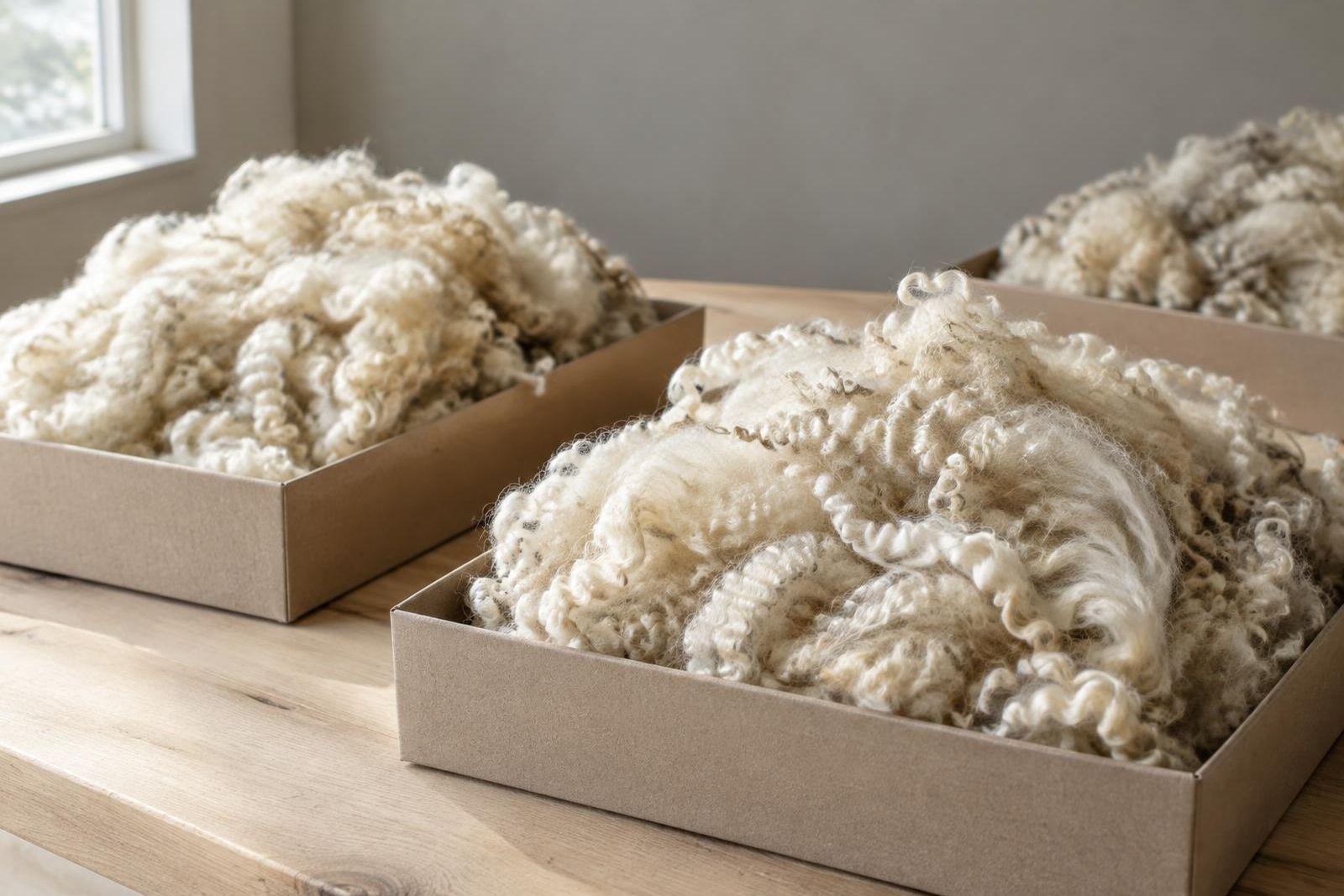
In the West, the Western Market Indicator fell for a seventh consecutive sale series. Its weekly drop was the largest since 4 August 2020, and some Fremantle types lost more ground than any in the east. More than two-thirds of the Merino fleece offered in Western Australia was passed in, and the 51.3% pass-in rate there was the highest at Fremantle since March 2020. Over those seven weeks, the Western indicator has lost the equivalent of about $1.23 a kilogram.
Why prices fell
Buyers pointed to China, the largest destination for Australian wool. Moses & Son, the wool broker, reported that inquiry from Chinese processors had slowed to almost nothing the week before, after weeks in which Chinese buying had driven prices higher. Standard wool used by Chinese topmakers took the brunt of the Tuesday fall.
“China has a good amount of processed stock available at present.”
Cameron Henry, Nutrien, to Farm Weekly
Supply has also shifted. Cameron Henry of Nutrien told Farm Weekly that the medium and broader end of the market was struggling most, because seasonal conditions in South Australia and Victoria had pushed fibers broader. He said the quantity of 21-micron wool on offer had risen by 41%.
Week 18 at a glance
- Indicator change
- Down 3.5% (40 US cents a kilogram)
- Indicator level
- $12.12 a kilogram (US dollar terms)
- Bales offered
- 27,934 (up 2,042)
- Bales sold
- 20,395
- Pass-in rate
- 27% nationally, 51.3% in the West
- Versus a year ago
- 21.9% higher
What it means for suit fabrics
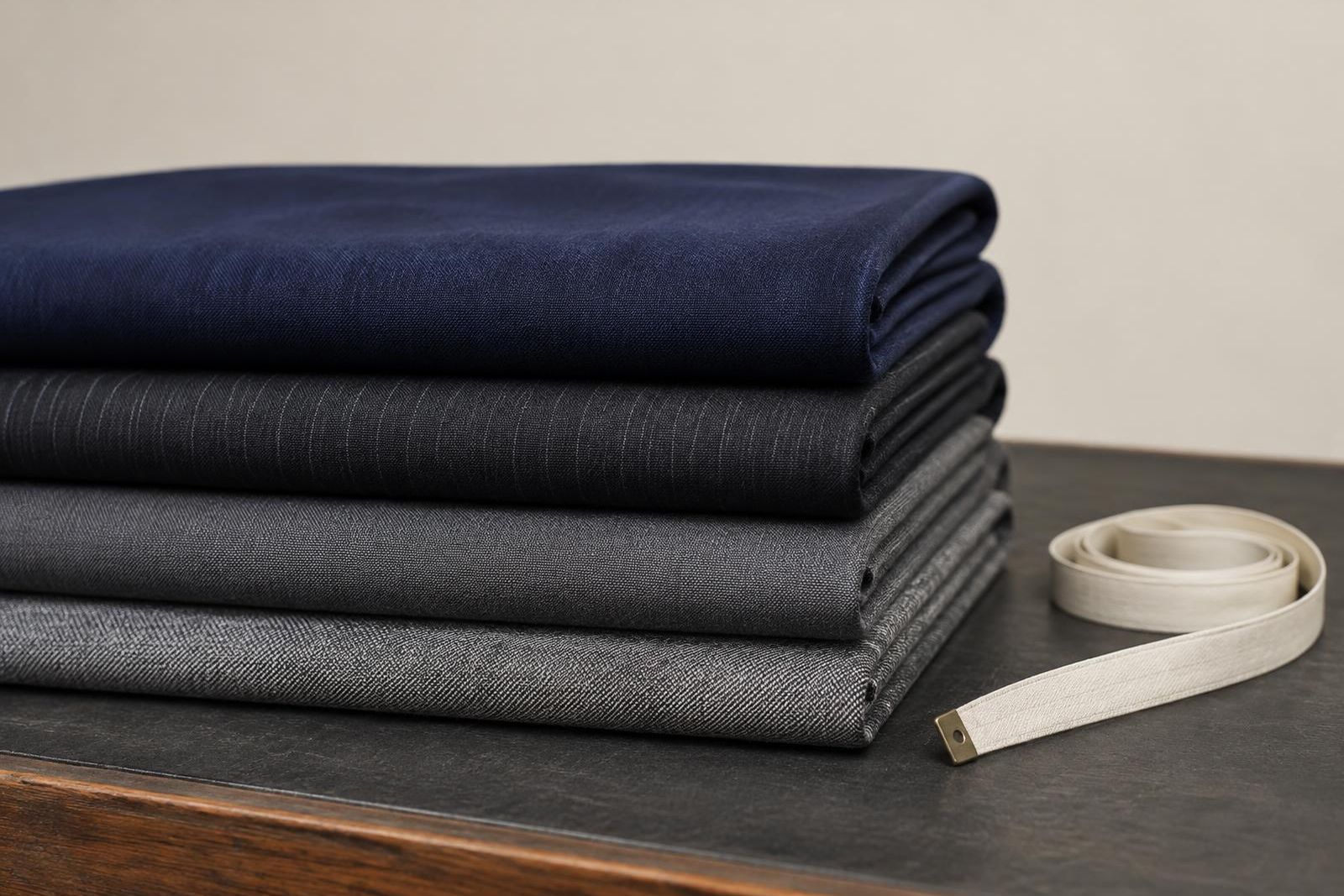
The weakness was not even across the market. Better-style Merino fleece of 17.5 to 18 microns held firm or rose in price during the week. That is fine wool of the kind spun into worsted suiting, roughly the range sold as Super 110s to Super 120s. The heaviest falls came at the broader and lower-style end.
Even after seven weeks of losses in the West, prices remain well above last year. The EMI is still 21.9% higher than at the corresponding sale in 2025, and supply remains tight: Australian-sourced wool offered so far this season is 13.1% below last season. Raw wool is one of several costs in a finished suit, and mills generally buy well ahead of the fabric books tailors use, so one week at auction does not change the price of a suit. For more on how wool becomes suiting, see our suit fabrics guide and worsted vs woolen.
What happens next
About 28,400 bales are rostered for sale next week, a slightly larger offering, with Western Australia contributing 4,403. Whether growers keep withdrawing wool at that volume, and whether Chinese buyers return, will shape the next round of indicators. We will report on the market again when there is a clear new turn.