The European Parliament gave final approval on 9 September 2025 to a revised Waste Framework Directive that makes producers of clothing, footwear and household textiles pay for collecting, sorting and recycling their products once they are thrown away. The law was published in the EU's Official Journal on 26 September 2025 and entered into force on 17 October 2025, according to the compliance group ERP.
Every EU member state must now set up an extended producer responsibility (EPR) scheme for textiles within 30 months of entry into force, which ERP dated to April 2028. Countries have 20 months, until June 2027, to write the directive into national law. Micro-enterprises get an extra 12 months to comply. The same directive also sets binding targets for reducing food waste.
What the rules cover
According to SGS and the law firm CMS, the scope covers clothing, accessories, hats, footwear, blankets, bed and kitchen linen and curtains. Member states may extend the obligations to mattresses. The duty falls on all producers that make textiles available on the EU market, including businesses based outside the EU that sell to European customers online. CMS noted that online marketplaces will need to monitor whether third-party sellers comply.
Fees can be eco-modulated, meaning producers of less sustainable products can be charged more. CMS said the modulation may be linked to durability, repairability and recyclability, and that data from the EU's Digital Product Passport, which is due to apply to textiles from 2027, could be used to set fees by product. SGS said the directive encourages member states to consider the environmental impact of fast fashion and ultra-fast fashion when setting contributions.
The scale of the problem
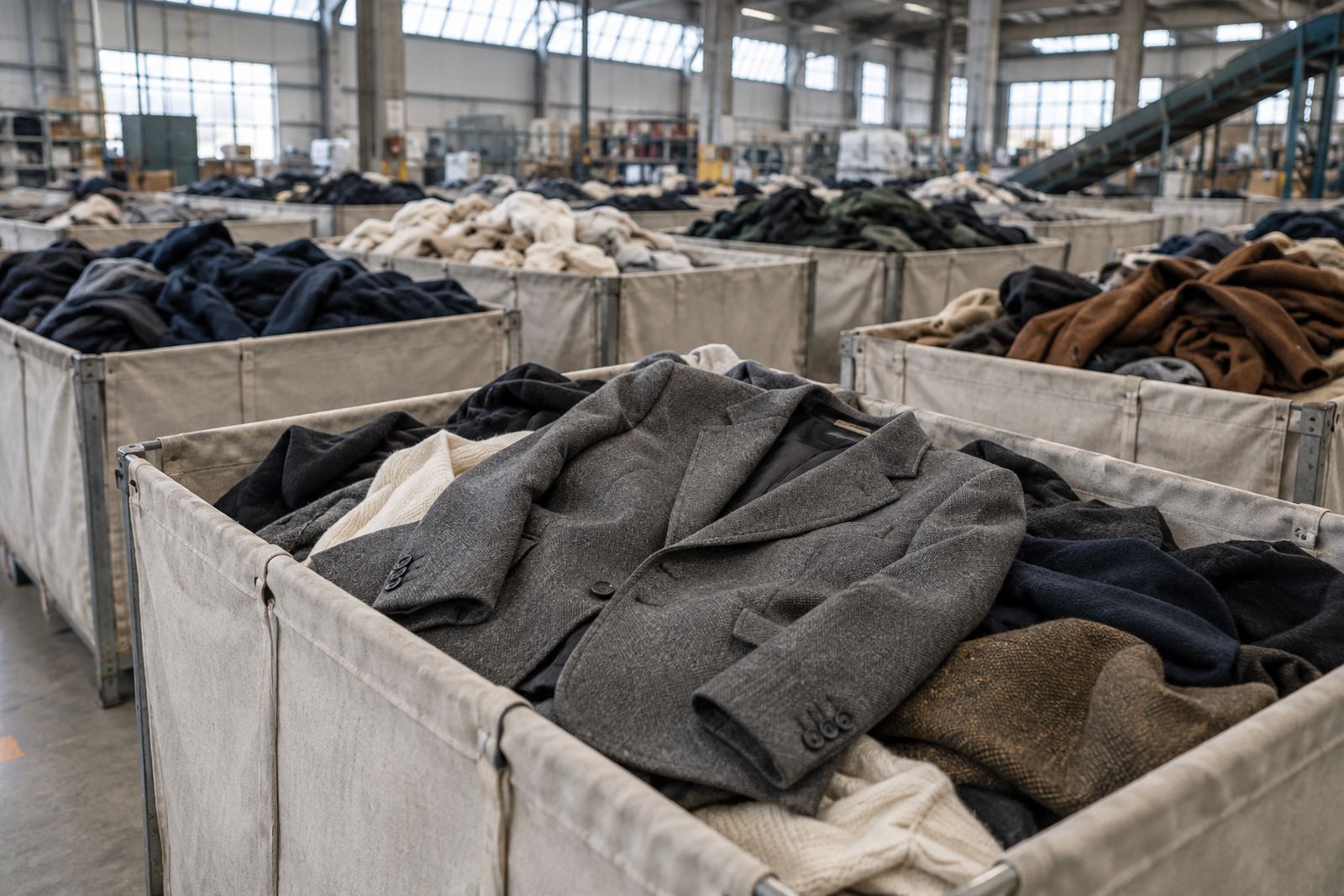
The EU generates around 12.6 million tonnes of textile waste a year, according to ERP. Clothing and footwear alone account for about 5.2 million tonnes, roughly 12 kilograms per person, SGS reported. Less than 1% of textiles worldwide are currently recycled into new textiles.
What it means for tailoring
Suit brands, shirtmakers and retailers selling in Europe fall within the scope like any other clothing producer, including those based outside the EU that sell online. CMS said the directive does not specifically address tailor-made products, so how bespoke tailors and very small workshops are treated will depend on national rules, and on the extra year granted to micro-enterprises.
The fee design is the part to watch. If member states link fees to durability and repairability, as the directive allows, the system would favor clothing designed to last, such as a wool suit that can be altered, repaired and worn for years, over disposable fashion. Retailers and brand owners may also see suppliers pass some EPR costs on to them, CMS said.
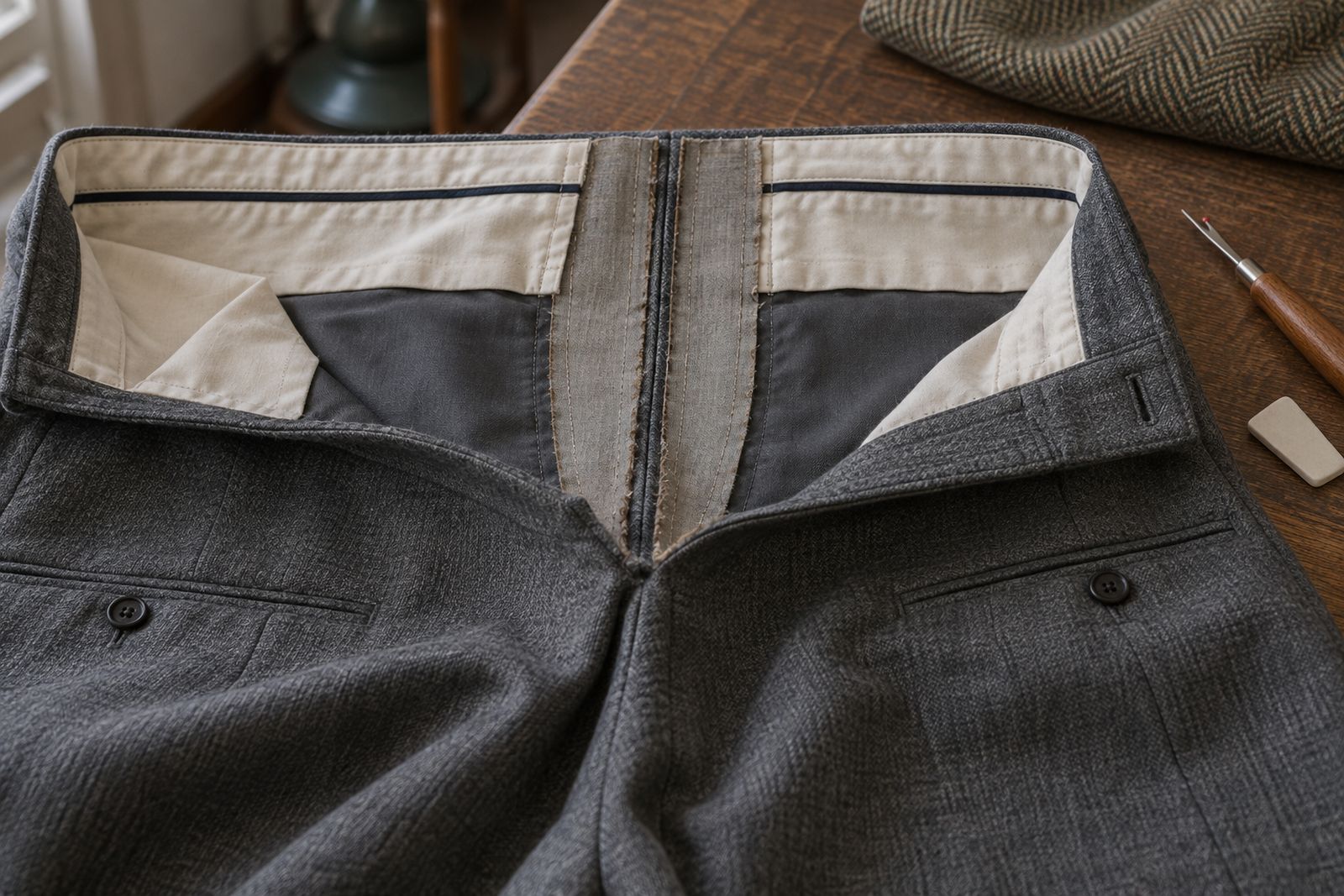
For buyers, the rules are one more reason to think in cost per wear. Our guides on caring for a suit and what a tailor can alter cover how to keep a suit in use for longer.