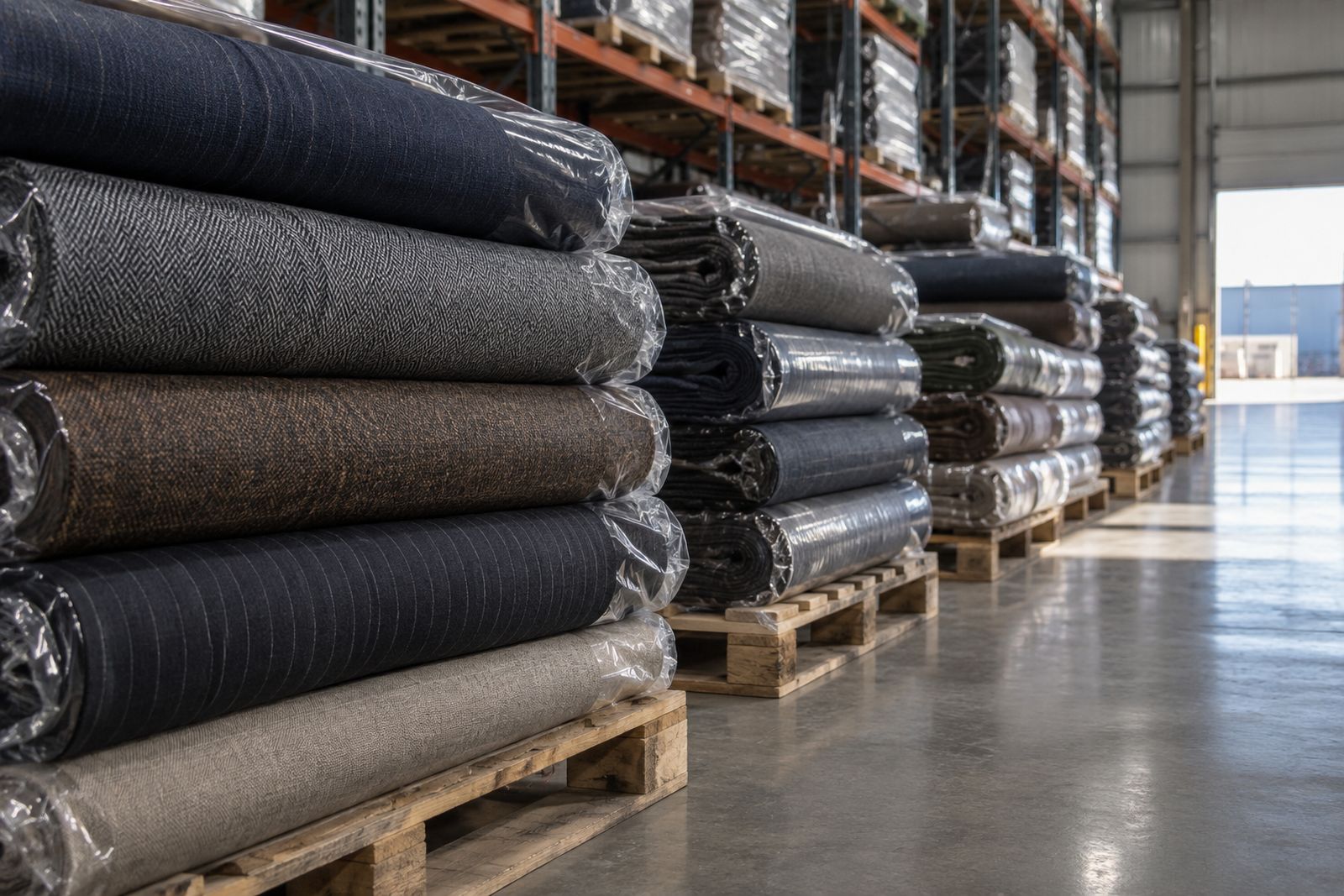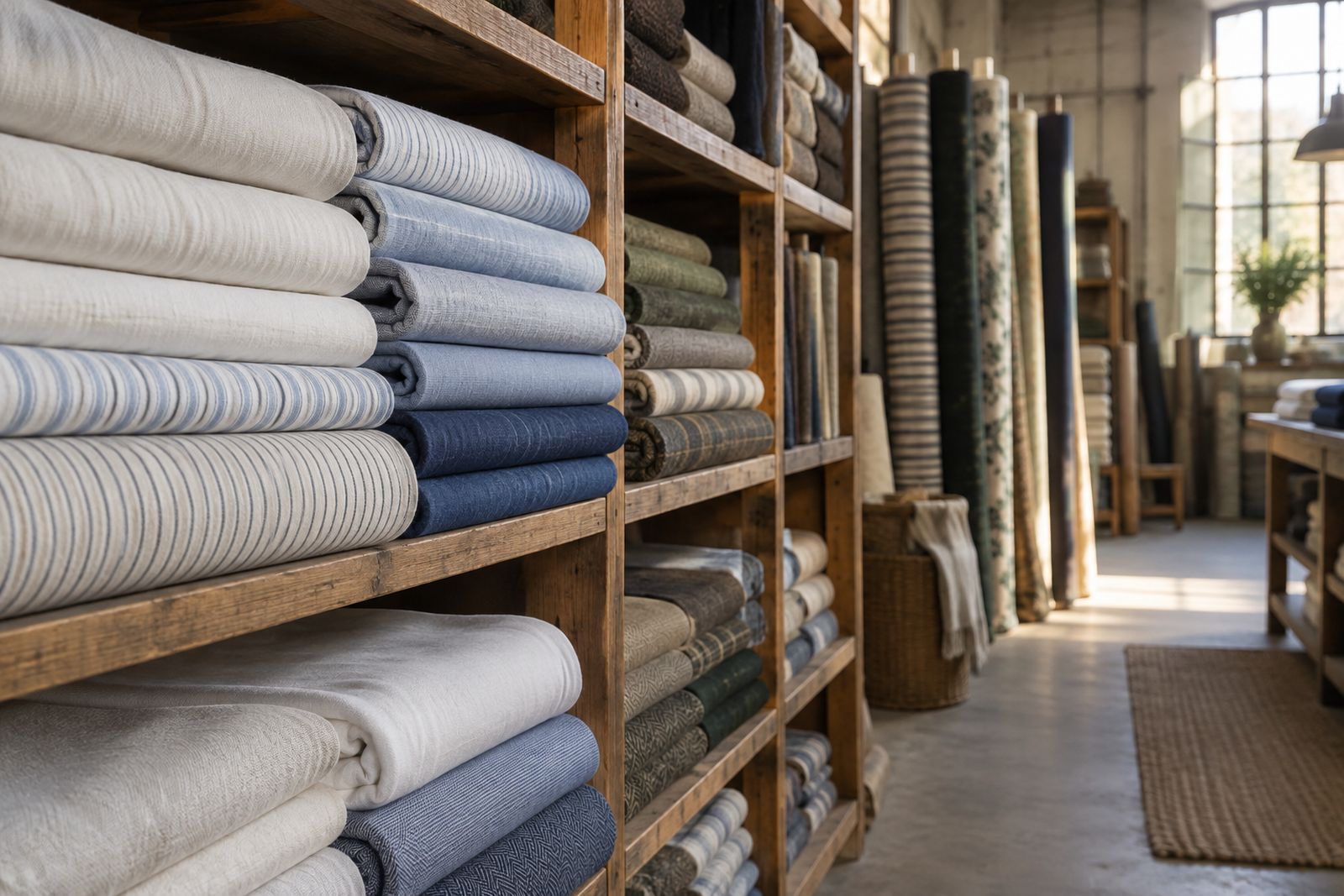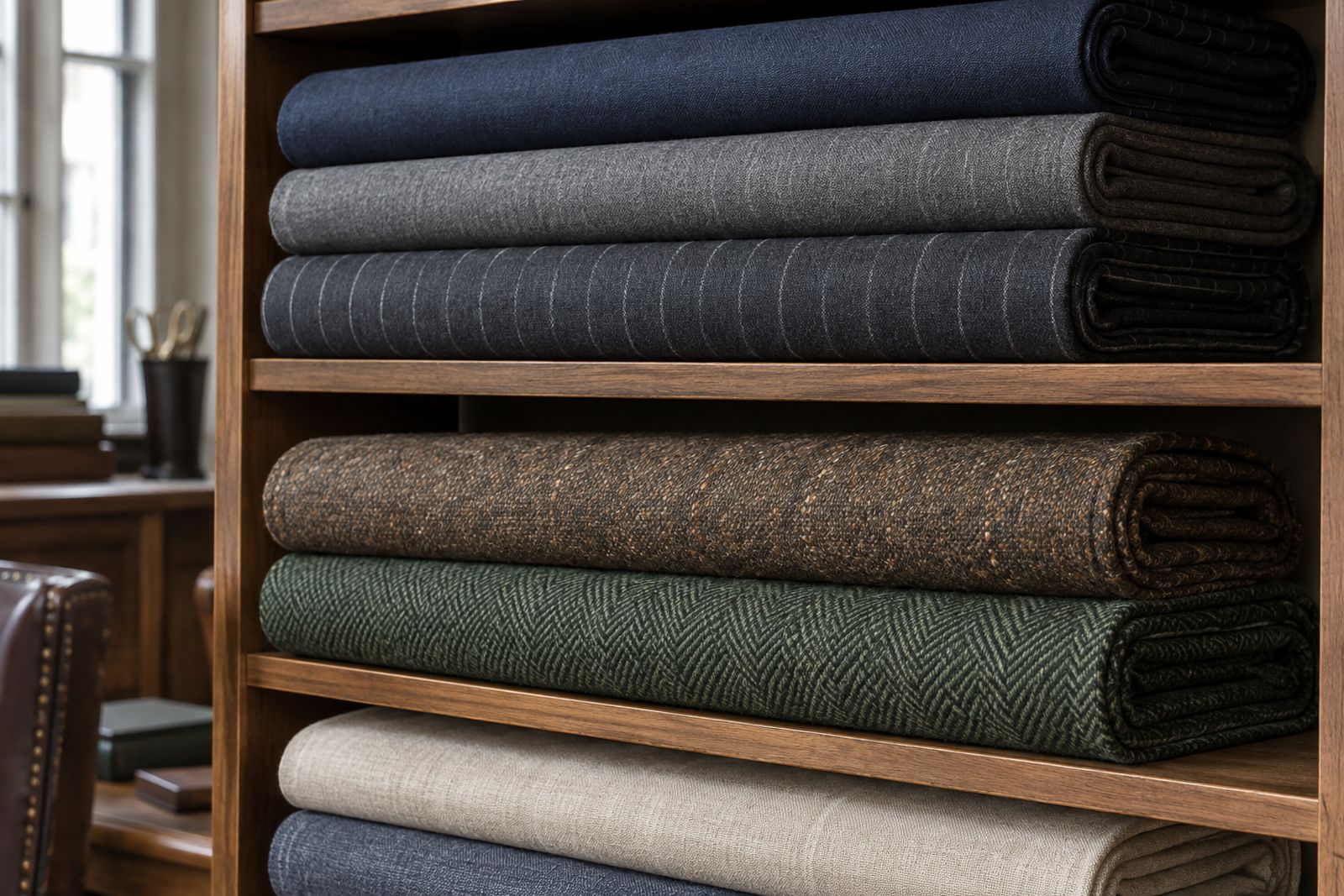
On 2 April 2025 the US president signed an executive action creating so-called reciprocal tariffs, charged on top of normal US duty rates according to where goods are made. Every country faced an additional 10% baseline tariff, with higher country-by-country rates on top for many trading partners. The UK Fashion and Textile Association (UKFT) warned that because the new charge was added to existing duties, some British luxury fabrics now faced a total US tariff of 35%.
The UK was set at the 10% baseline, while the European Union was given a higher rate of 20%, according to UKFT. On 9 April the president announced a 90-day pause on the country-by-country rates for every country except China, which was hit with an additional 125% tariff. The 10% baseline stayed in place for British goods.
The view from British mills
UKFT chief executive Adam Mansell said the United States was the UK's second-largest export market for fashion and textiles, and that the tariffs would reduce exports and hit manufacturers already dealing with rising costs. He also warned that American shoppers would face higher prices and US manufacturers higher costs for raw materials.
“will benefit no-one”
Adam Mansell, chief executive of UKFT, on the US tariffs
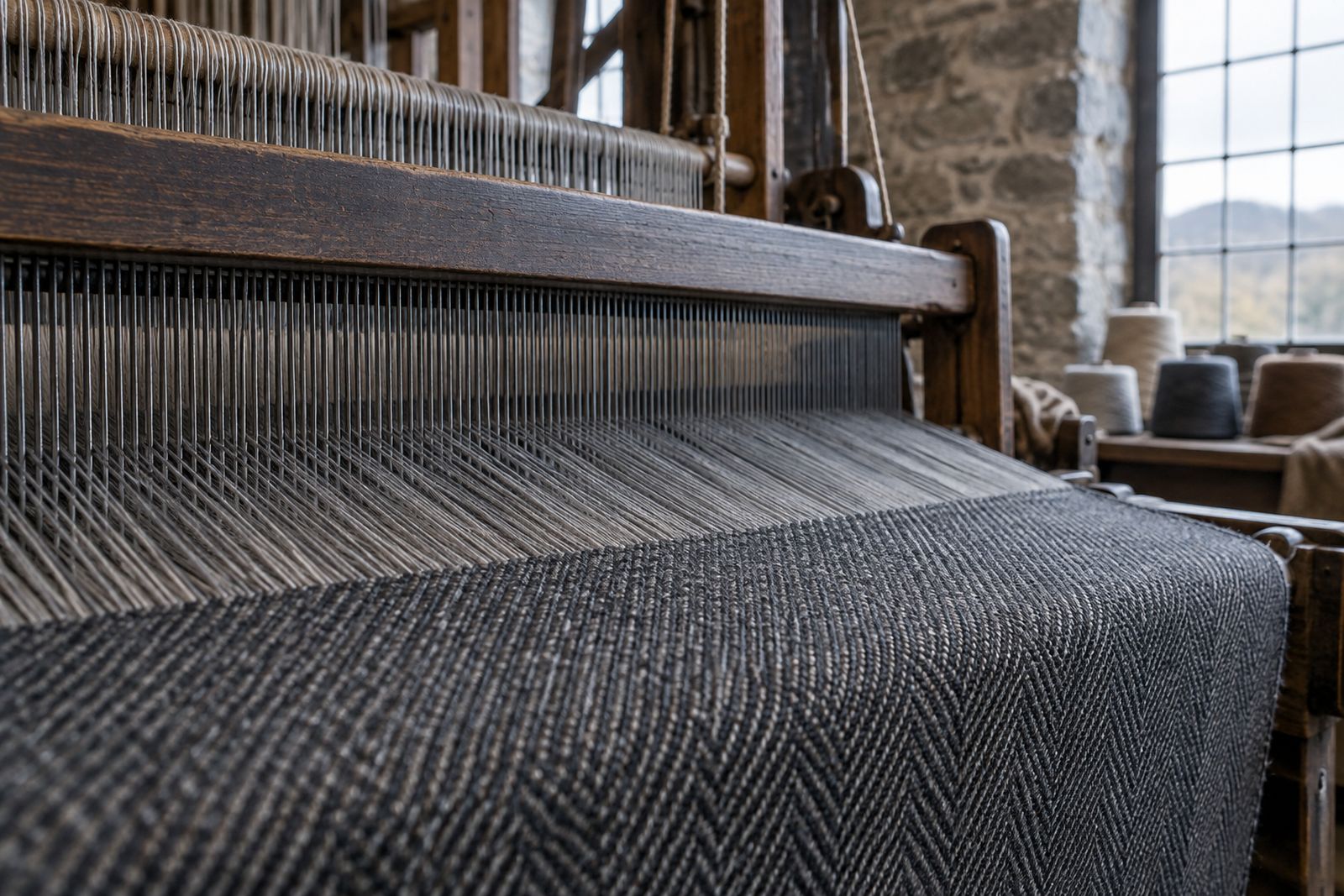
For weavers in Yorkshire and Scotland, the arithmetic is simple: a tariff raises the landed cost of British fabric in the US, which is what lies behind Mansell's warning about lower exports. Fine suiting fabric is sold to tailors and clothing makers abroad, and the US is one of the largest markets for it.
The view from a Brooklyn suit factory
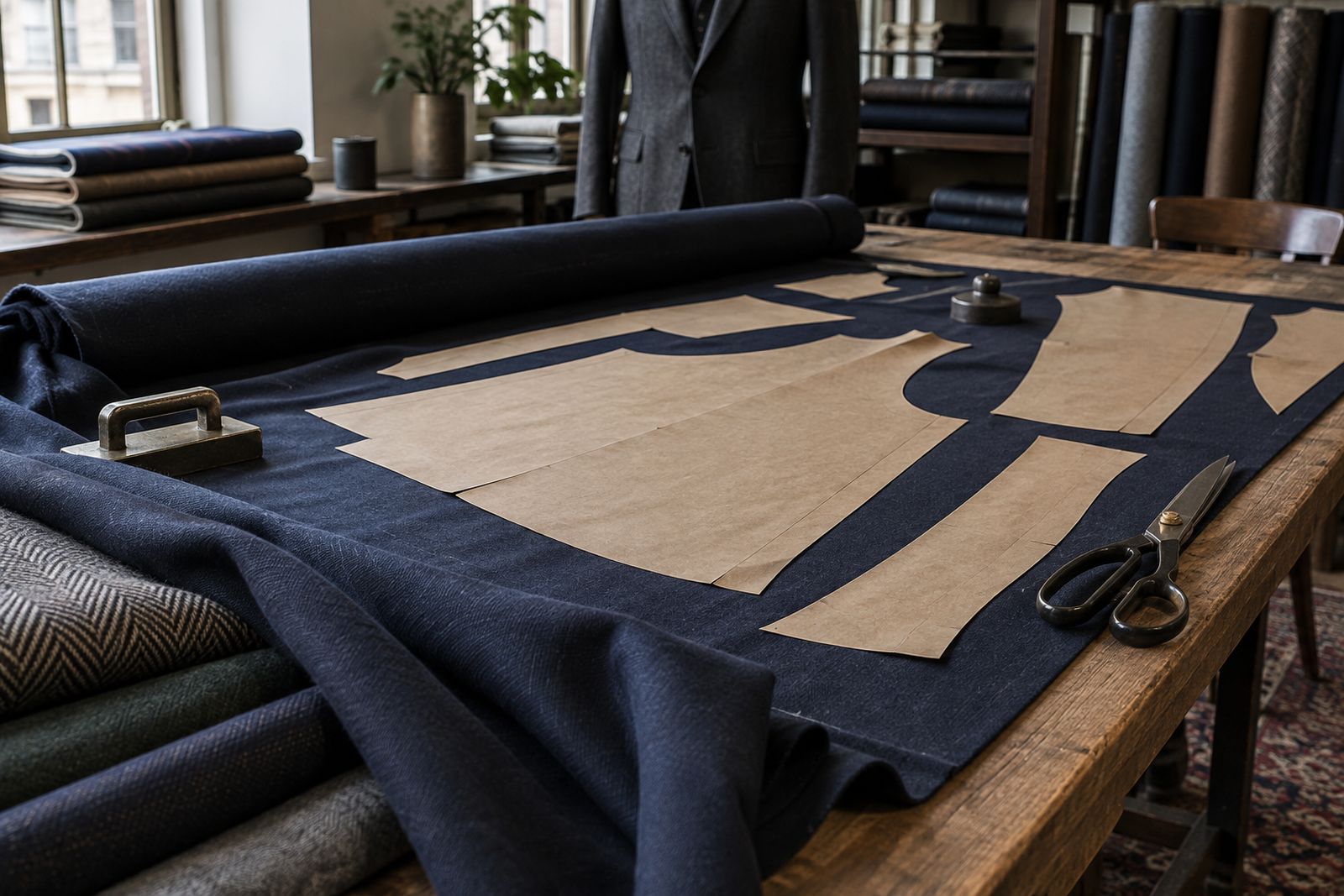
The other side of the trade was visible in New York. On 15 April 2025 Spectrum News NY1 reported on Martin Greenfield Clothiers, the Brooklyn suit maker founded in 1977 by Martin Greenfield. The company employs 60 people and makes its suits in the United States with union labor, but buys its wool fabric from Italy and England.
Jay Greenfield, who owns the business with his brother, told NY1 that the company already paid a 25% duty on its fabric and was worried that the new 10% tariff could take that to 35%. He said there were few American suppliers for the other materials the factory needs, so it depends on imports, and that the company had not yet decided how it would adapt. One long-serving sewer at the factory told NY1 she hoped the tariffs might bring more manufacturing work back to the United States.
What happened next
The UK and US announced a trade agreement on 8 May 2025, but industry observers quoted by Just Style the next day expected its effect on apparel and textiles to be limited, because the 10% baseline tariff was set to remain. For American tailors and made-to-measure makers who cut English or Italian fabric, the 2025 tariffs meant higher costs on their main raw material, and Greenfield's comments suggest few domestic alternatives for the materials they need.
For customers, fabric is one of the main costs in a custom suit, alongside labor. Readers comparing prices can see our guides to why bespoke suits are expensive and bespoke tailoring in New York.